Bonita Clinic, 3F, 565 Gangnam-daero, Seocho-gu, Seoul, Korea Mon–Fri 09:00–18:00 · Tue 10:00–18:00 · Sat 09:00–15:00
BONITA SCAR CLINIC
Acne & Pore Scars
If you have had laser many times,and the pits are still there
Bonita's Approach
Treating depressed and pore-type acne scars is not straightforward
The cause, the depth of the depression and the part you want improved all differ from person to person
About
Different depth and shape call for different treatment
Acne scars are not one kind. Narrow deep pits like ice-pick marks, wide boxcar depressions and rolling scars with rounded edges are mixed on one face. Treating everything at the same intensity with a single laser leaves the deep scars untouched.
Deep scars are raised from the floor with punch techniques and adhesion release, and wide depressions are filled with fat grafting. Laser comes last, to even out the surface and pores.
Usually split into several sessions, spaced apart. The next session is set after checking your progress.
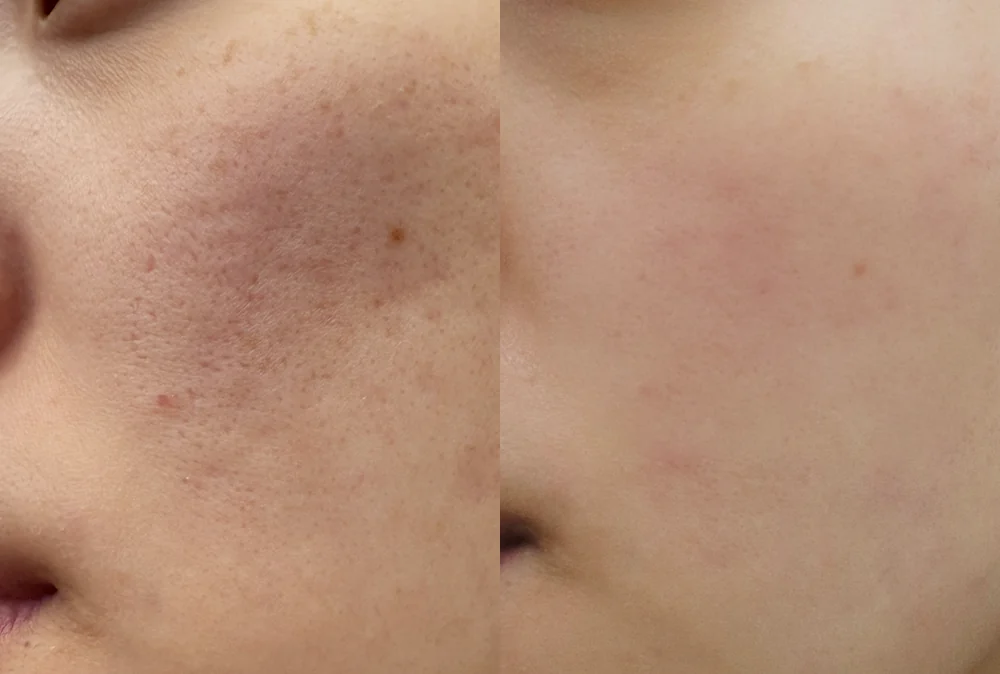
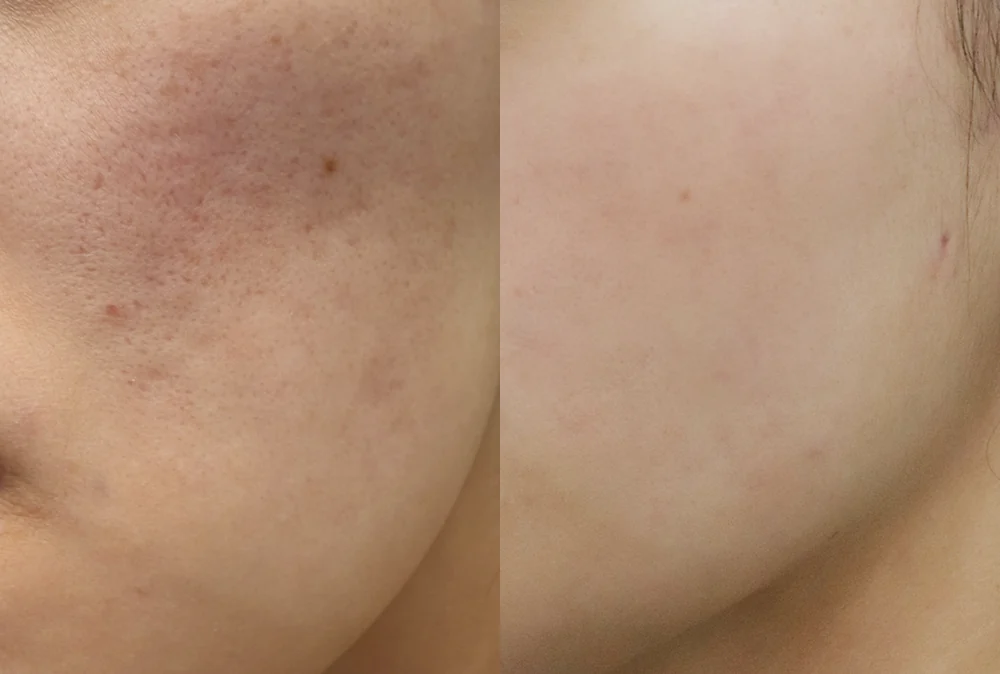
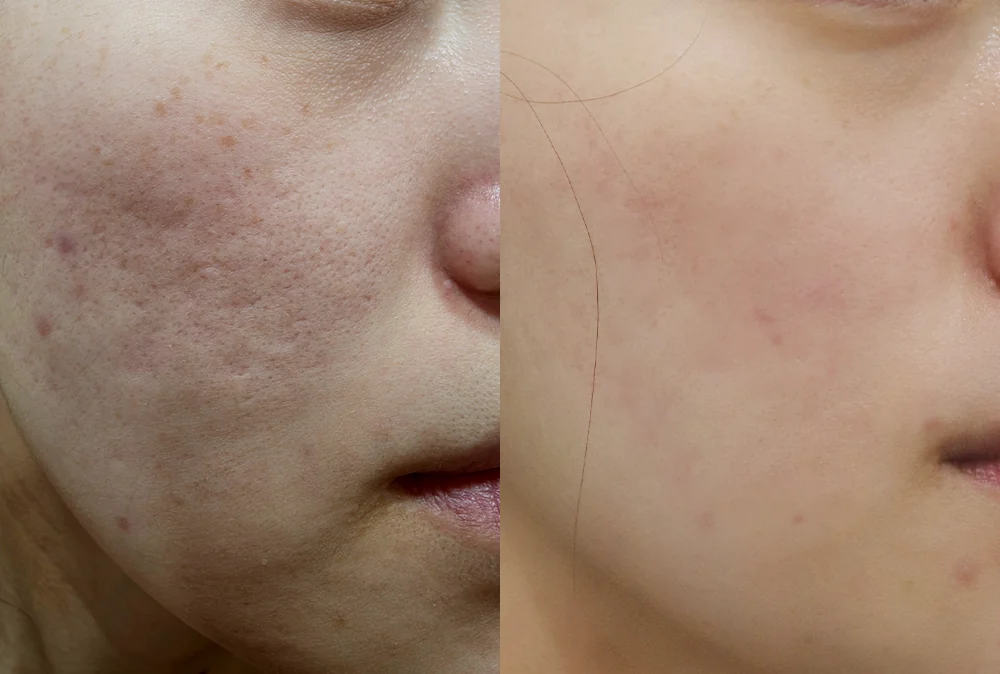
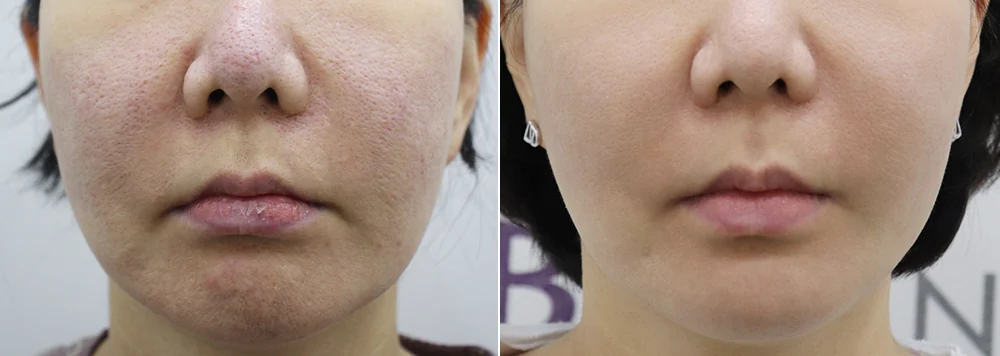
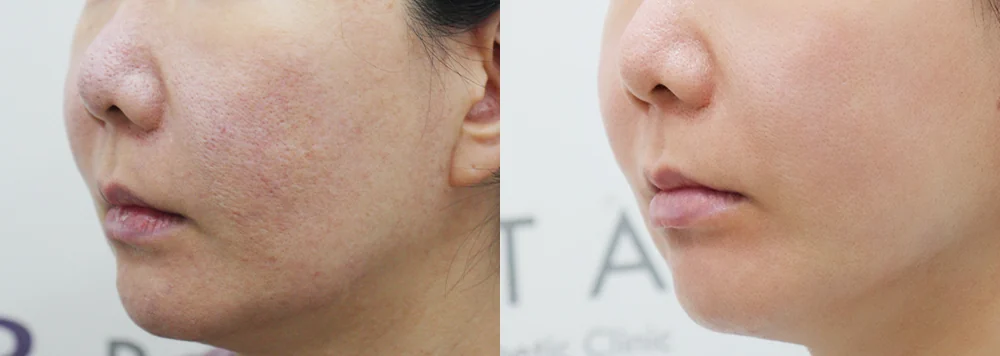
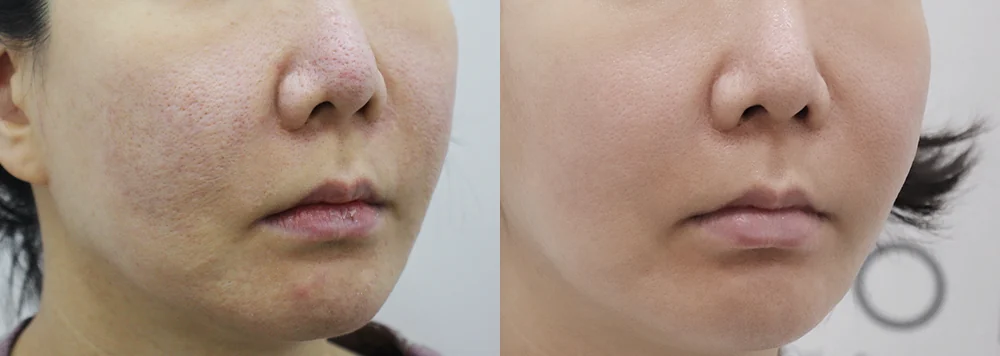
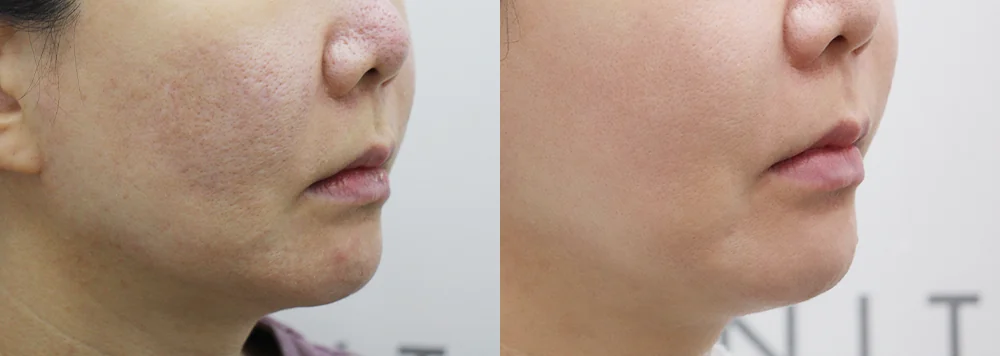
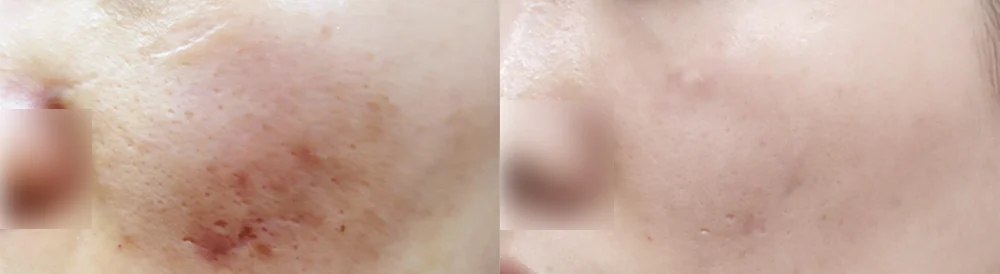
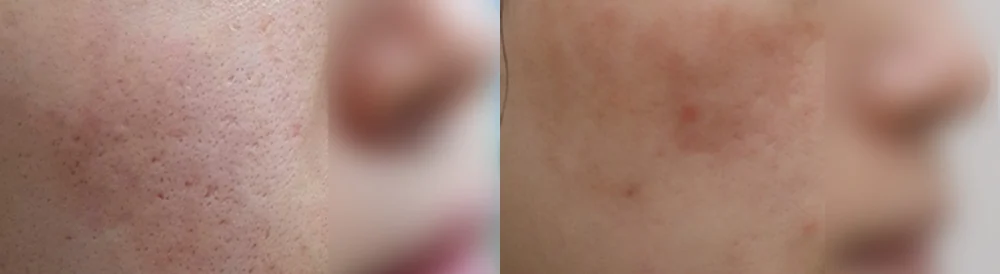
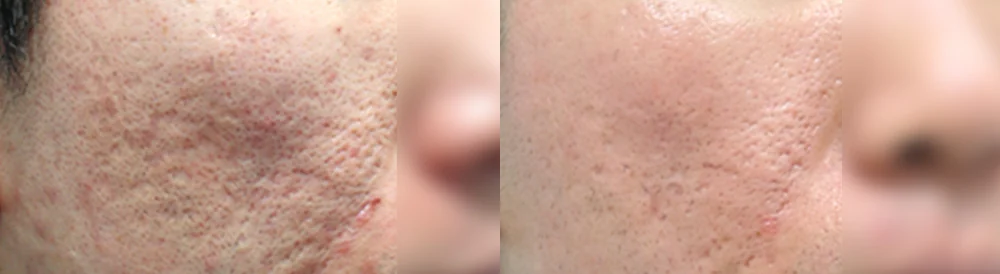
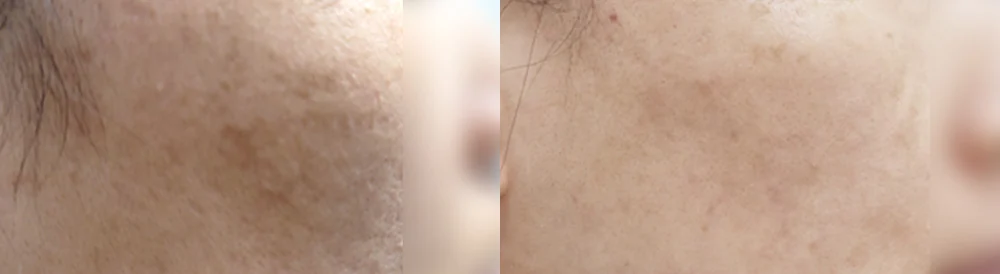
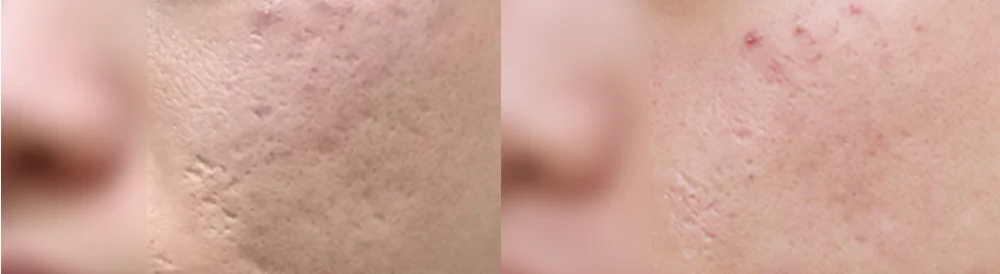
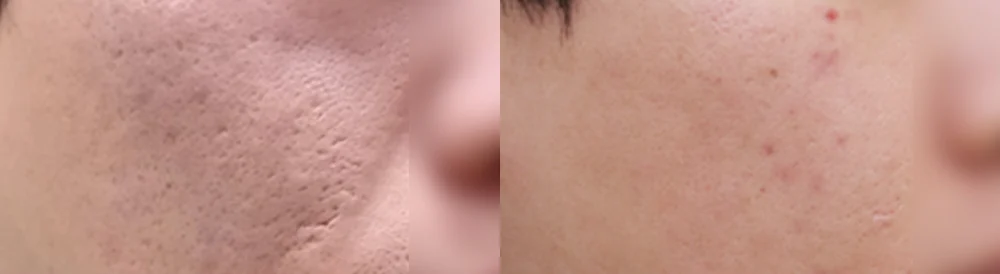
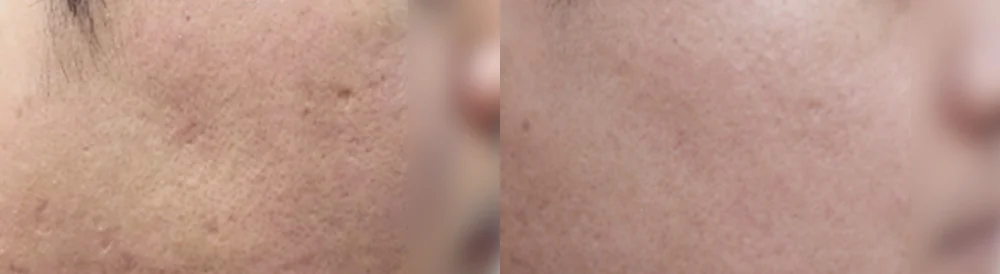
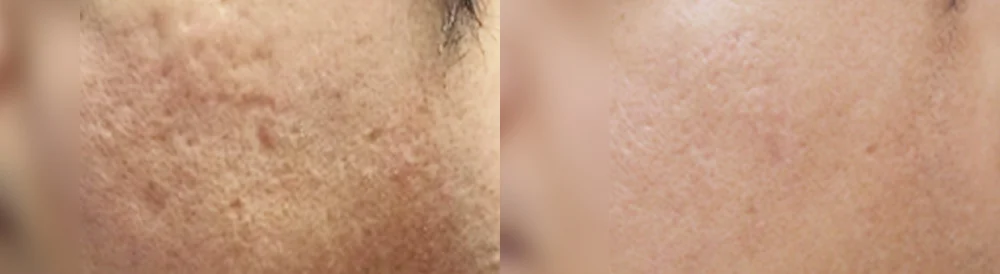
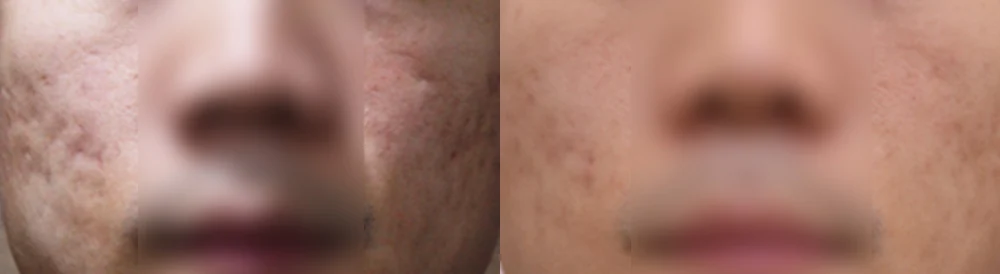
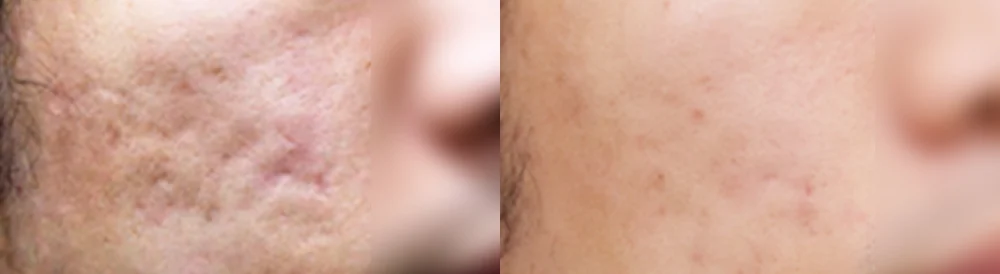
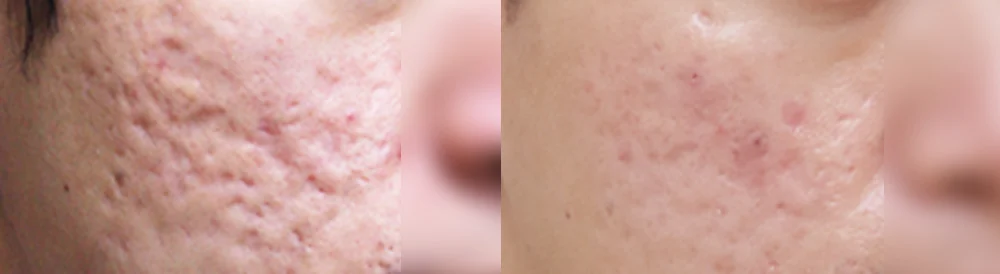
Before / After
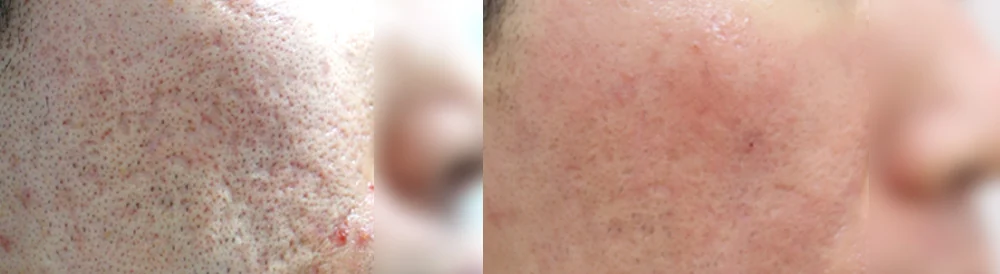
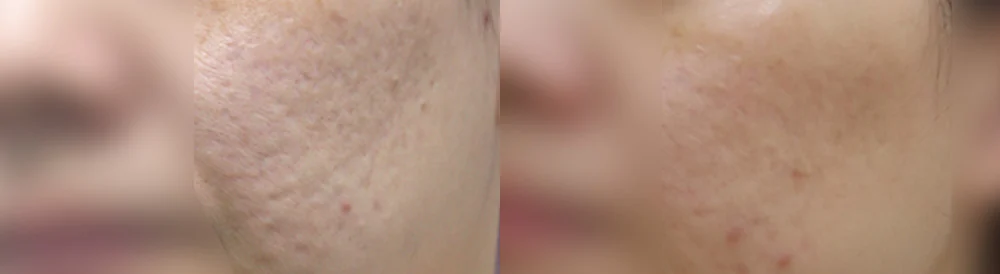
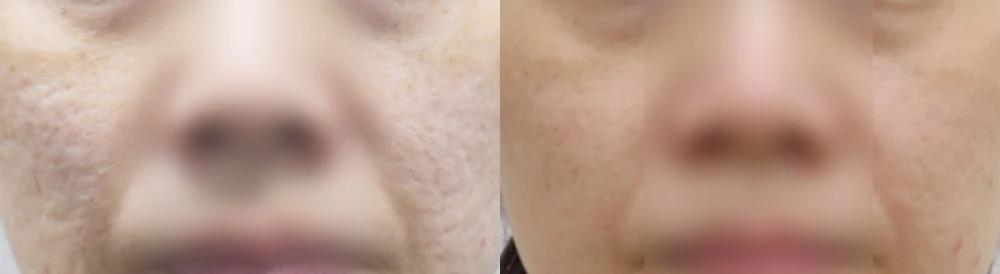
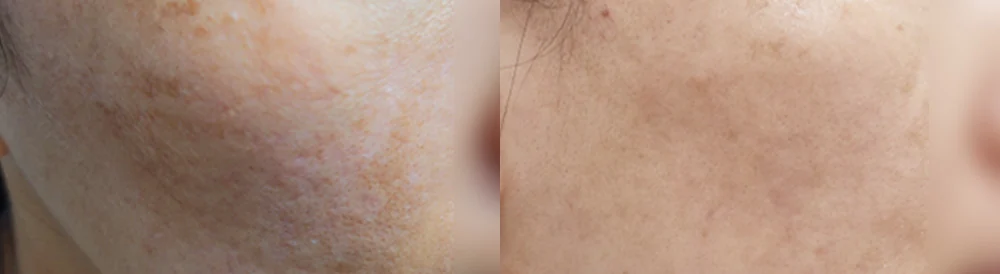
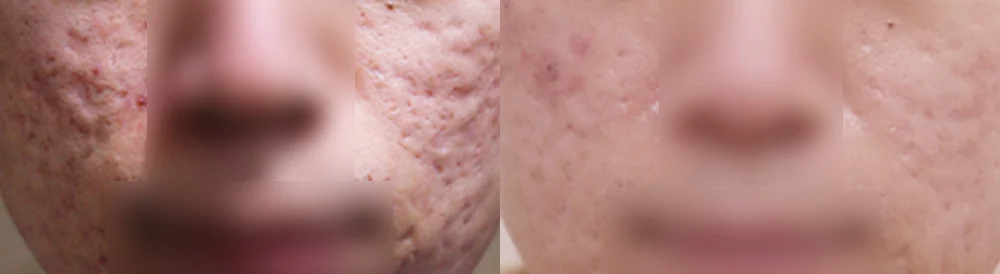
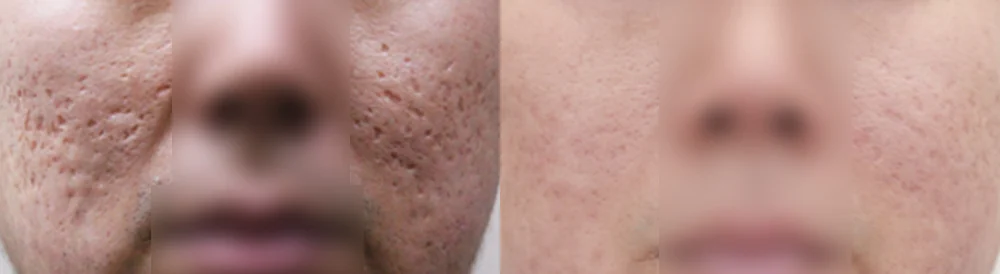
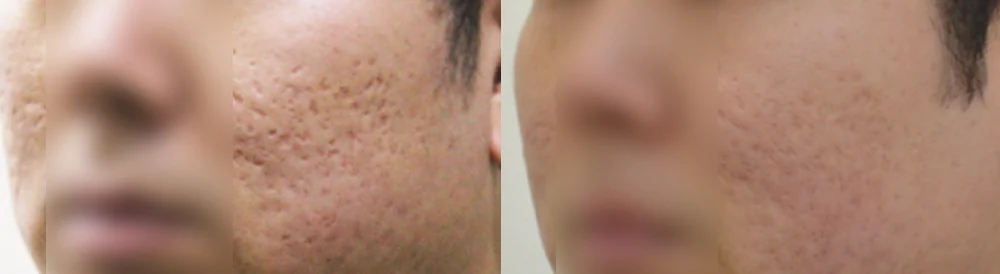
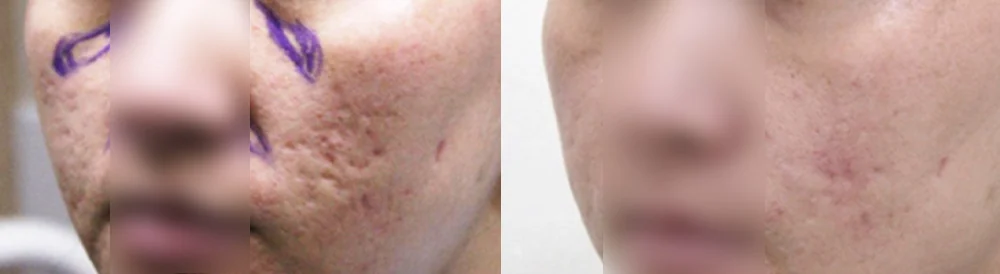
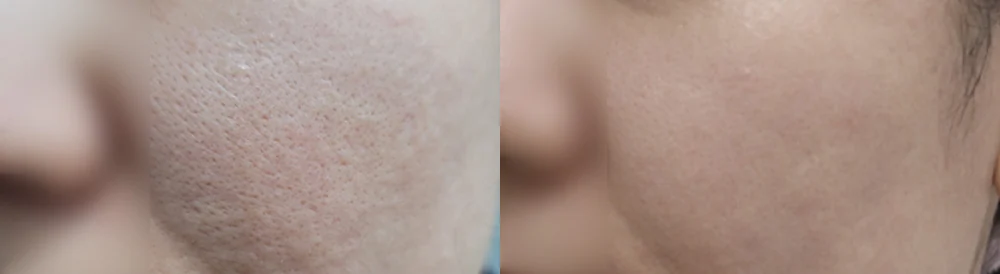
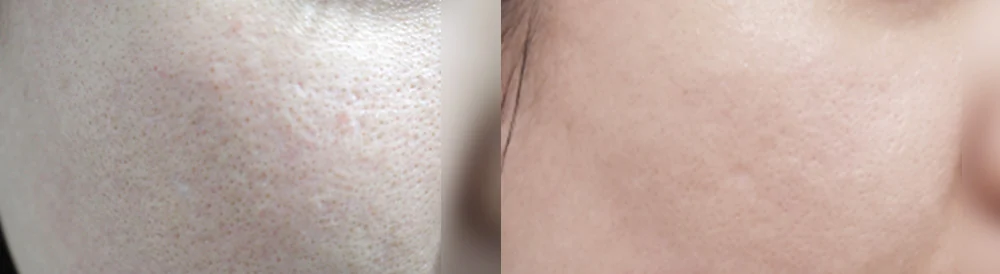
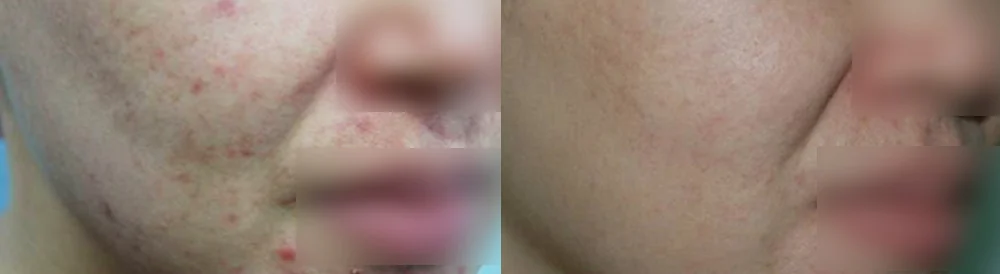
Results first — Before & after cases at Bonita
Before treatment6 months laterBefore treatment6 months later
More before & after records continue below
※ Before & after results vary by individual. Side effects may occur, so please decide after a full consultation with your doctor.
For You
Scars we treat
Acne scarring over a wide area
Deeply depressed acne scars
Tiny, pore-sized acne scars
Sharp, ice-pick type acne scars
BONITA SCAR CLINIC
Dual restoration: raising the depressed floor, refining the surface texture
We first release the adhesions tethering the skin from below, then fill in the texture of new tissue with stem cells and combined lasers.
Why layers
Why laser alone is not enough — Why depressions remain lies beneath the surface
1
LaserSurface texture, redness, color
Lasers reach only the epidermis and shallow dermis. The surface may smooth out, but a scar with a sunken floor stays as it is.
2
Adhesion releaseThe cords pulling down
Beneath a pitted scar is adhesion tissue holding the skin down. It must be released for the skin to rise.
3
Fat stem cellsThe missing volume
Sunken areas are filled with your own fat and stem cells. Lasers work only once the floor has been raised.
Process
No pointless repeat sessions Treatment process
Before more laser, we first find out why the pits remain
STEP 01
Checking the scar
We first check depth and width, adhesions and lost volume.
Of the methods below, we use only what is needed.
STEP 02
Punch · adhesion release
Narrow, deep ice-pick scars and scars tethered at the base
For narrow, deep scars, the floor is freed and lifted.
For scars tethered below, adhesions are released to raise the floor. We start with depths laser cannot reach.
STEP 03
Fat stem cells
Broad depressed scars
Hollow areas are filled with fat stem cells.
STEP 04
Combined lasers
Surface texture · pores · redness
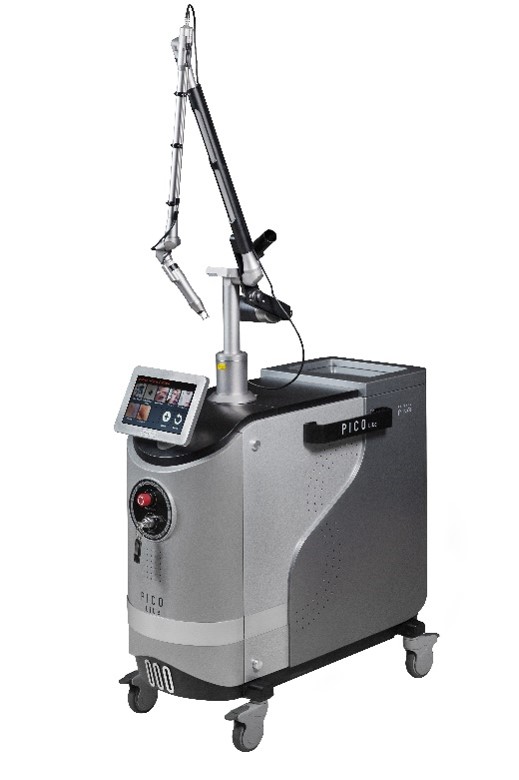
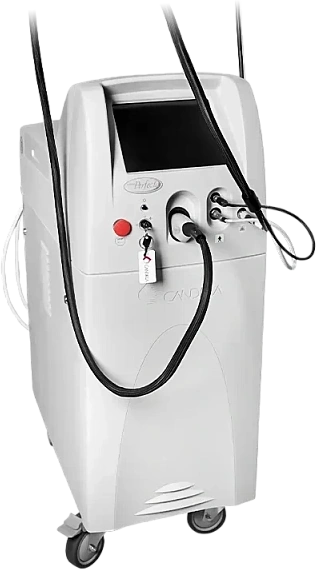
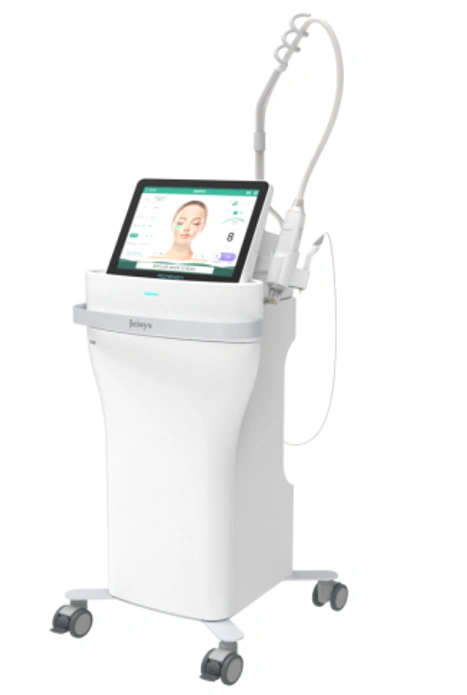
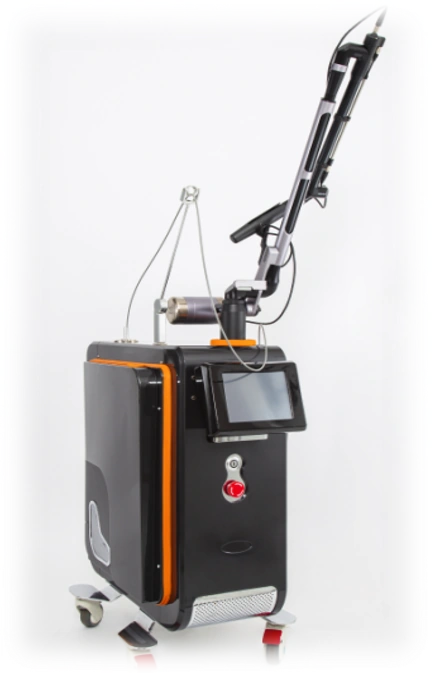
After filling, remaining surface texture, pores and redness are refined with 2–3 lasers.
STEP 05
Follow-up
Progress is reviewed every 4 weeks, and laser care is added only if traces remain.
At a glance
Treatment details and recovery
TypeTreatment · excision if needed
AnesthesiaTopical or local
Hospital staySame-day discharge
StitchesIf excised
Recovery
Right after treatment
The treated area is protected. We tell you when you can start washing your face and wearing makeup, according to the procedure.
During recovery
Redness and swelling gradually subside. Sun protection matters from this point.
As it settles
While the tissue settles, we watch the progress and decide whether more treatment is needed.
Recovery time and follow-up visits vary with the extent of treatment and your individual condition.
FAQ
Frequently Asked Questions
I have had laser treatment many times, but the depressions are still there.
Scars whose base is tethered to deeper tissue or that have lost volume may still cast a shadow after laser resurfacing. That is because lasers address texture and color at the surface and in shallow layers. So we first check whether releasing adhesions or filling is needed.
Can an old scar still be treated?
Old scars can be treated too. Settled scars need tissue to be released and filled, so they may need more steps than new ones. We plan after checking depth and adhesion in consultation.
How many sessions will I need?
It depends on the scar’s depth, extent and your skin type. Surgical restoration is usually done once and then reviewed, while laser care is often repeated at intervals.
Can I return to daily life right after treatment?
It depends on the treatment method. Laser care has a relatively short recovery, while surgical restoration needs more recovery time depending on the area and extent. If you have important plans, tell us during consultation and we will plan around them.
※ Bleeding, infection, inflammation and other side effects may occur after surgery or treatment. Please decide after a full consultation with your doctor.
Clinic
In the same place in Gangnam since 1995, always by the same hands
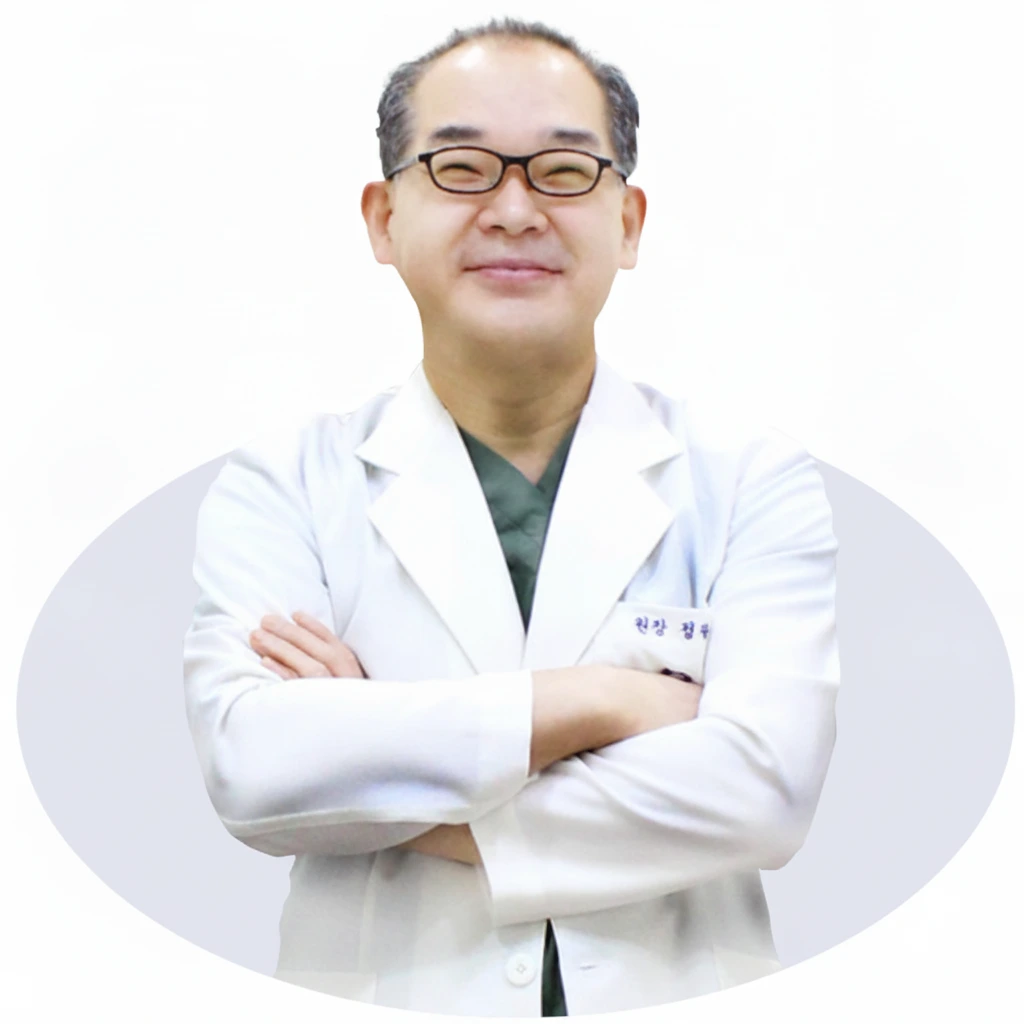
Dr. Kwang-Seop Chung, Director 31 years in plastic surgery and scar restoration
Board-certified plastic surgeon (Brazil)
Top of class, Brazilian plastic surgery board examination
M.D., Pontifical Catholic University of São Paulo, Brazil
Plastic surgery residency, Beneficência Portuguesa Hospital, São Paulo
General & thoracic surgery residency, Mandaqui State Hospital, São Paulo
Internship, University of Tennessee, USA
President, Asian International Aesthetic Medicine Forum
Former President, Korean Academy of Aesthetic Surgery
Member, Brazilian Society of Plastic Surgery
Member, Korean Society of Phlebology
1995Opened · one address in Gangnam1doctor · care by the director31years of scar & revision work
Telling us what caused the scar (acne, surgery, accident), when, and the treatments you have had makes the consultation more precise. You can also send photos via KakaoTalk.
What is possible, the method and the recovery schedule are explained in consultation.
 KOKorean
 ENEnglish
 JP日本語
JP日本語 CN中文(简体)
 TW中文(繁體)



![A patient whose depressions worsened after acne medication and laser: here is how we treated it [Dr. Kwang-Seop Chung]](https://i.ytimg.com/vi/rn9fBYaOdLI/hqdefault.jpg)
