Bonita Clinic, 3F, 565 Gangnam-daero, Seocho-gu, Seoul, Korea Mon–Fri 09:00–18:00 · Tue 10:00–18:00 · Sat 09:00–15:00
BONITA BURN & KELOID
Burn & Keloid Treatment
Large keloids, wide burn scarsWe split the work across surgery, laser and injections
Bonita's Approach
From small keloids to large burn scars
Bonita combines surgery, laser and injection treatments
About
With keloids, control comes before cutting
A keloid is a scar that grows beyond the wound. It forms easily where the skin is under tension, such as the ears, chest and shoulders, and careless excision brings it back larger. Burn scars cover a wide area and tighten the skin enough to limit movement.
This treatment doesn’t end in one session, so we adjust the method at intervals while watching your progress.
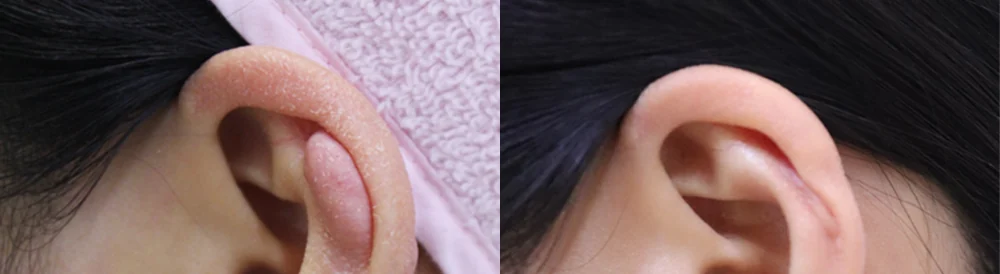
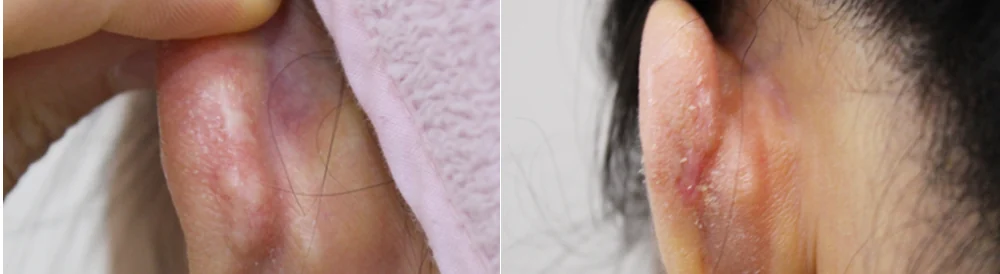
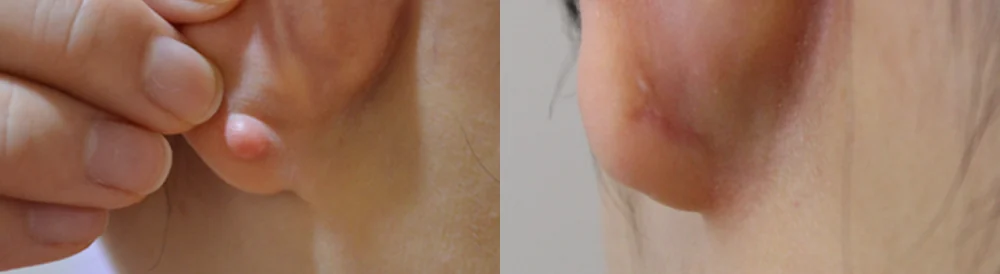
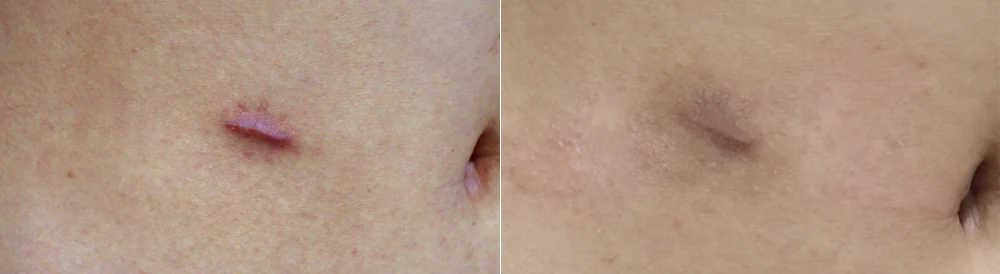
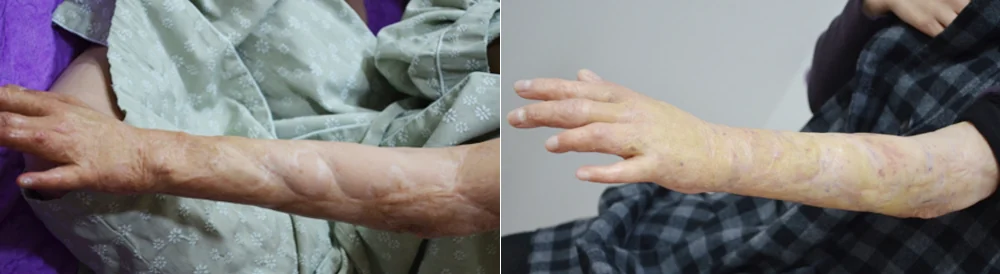
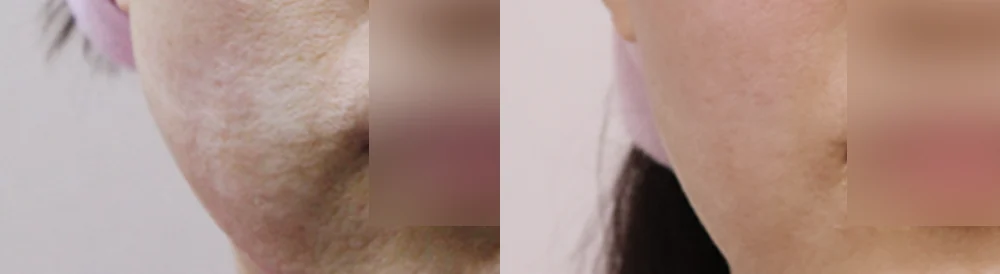
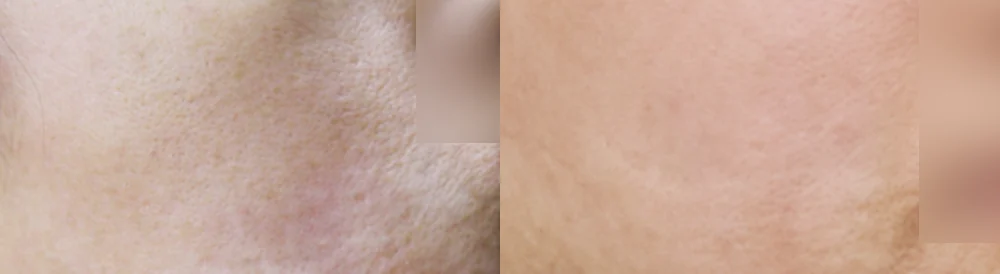
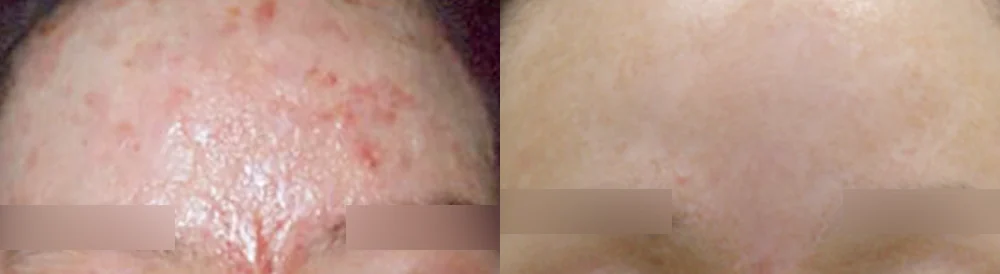
Before / After
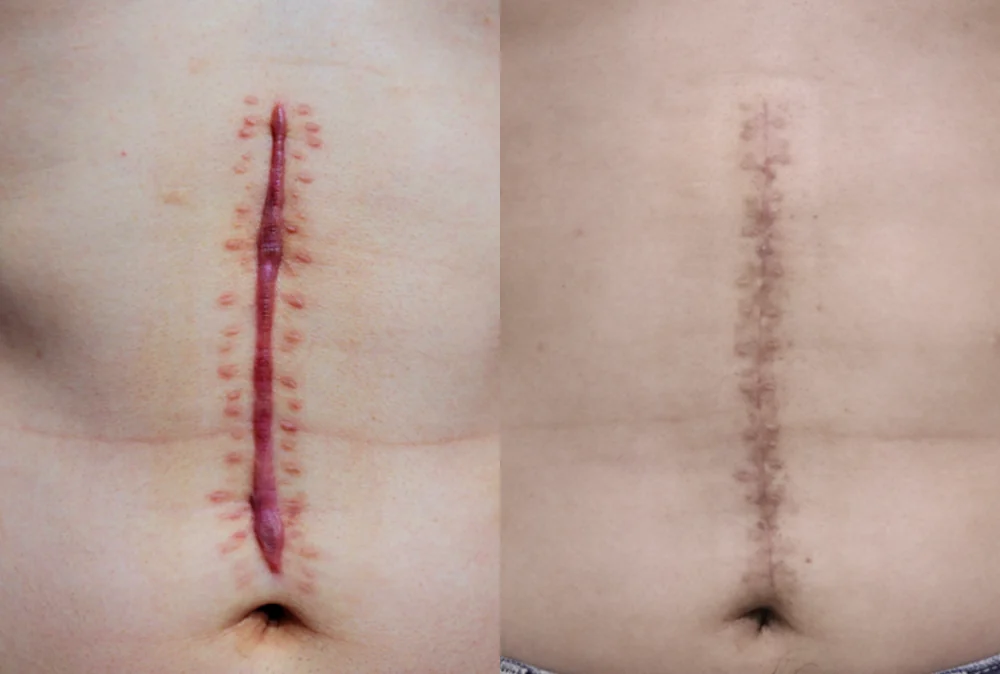
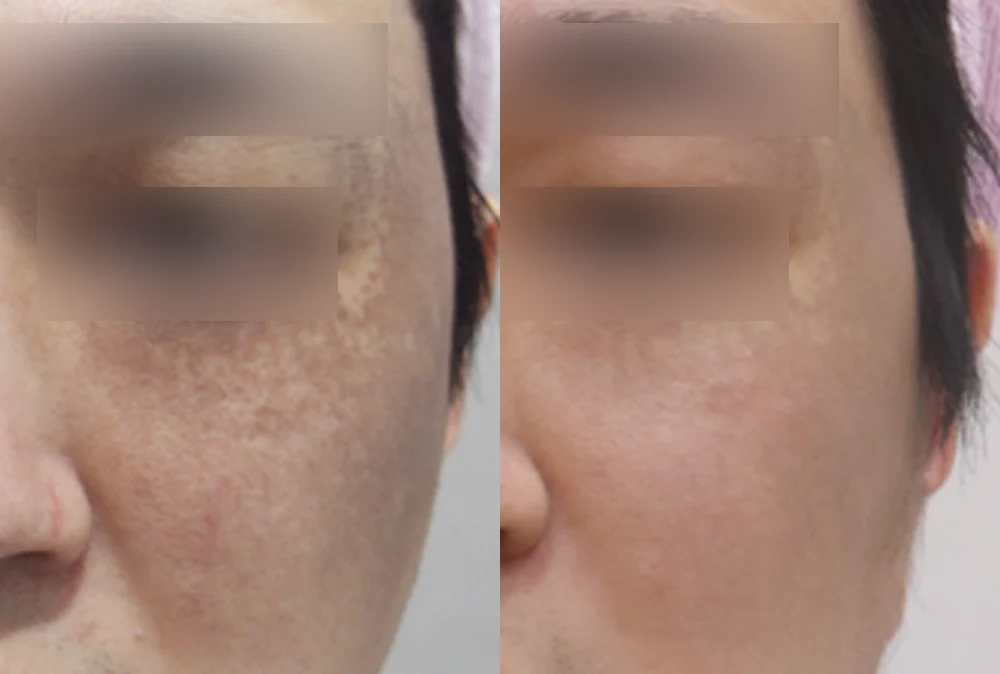
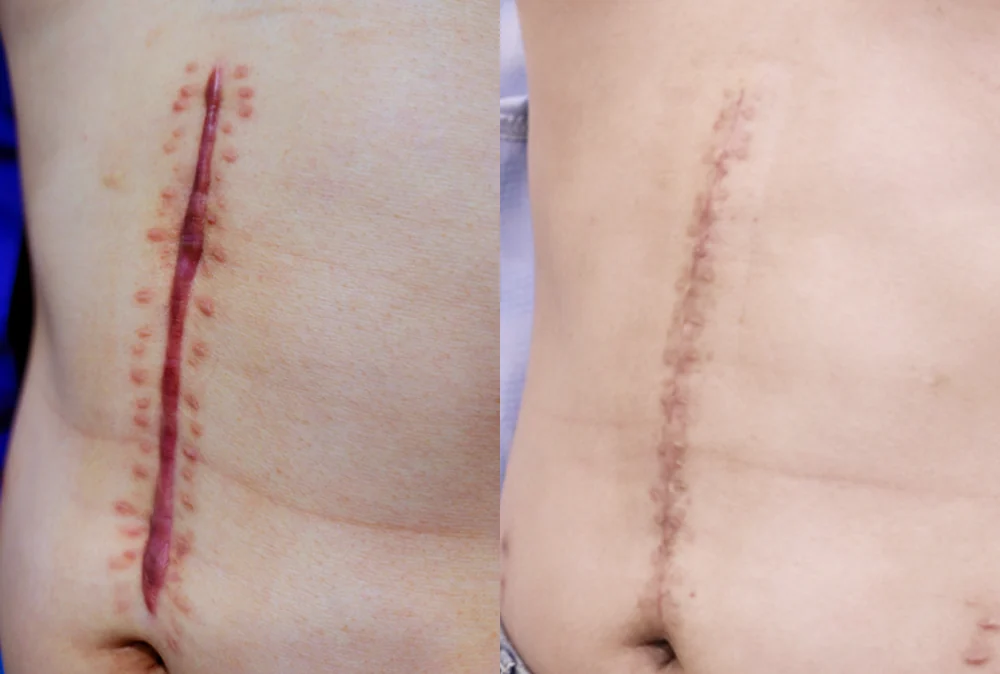
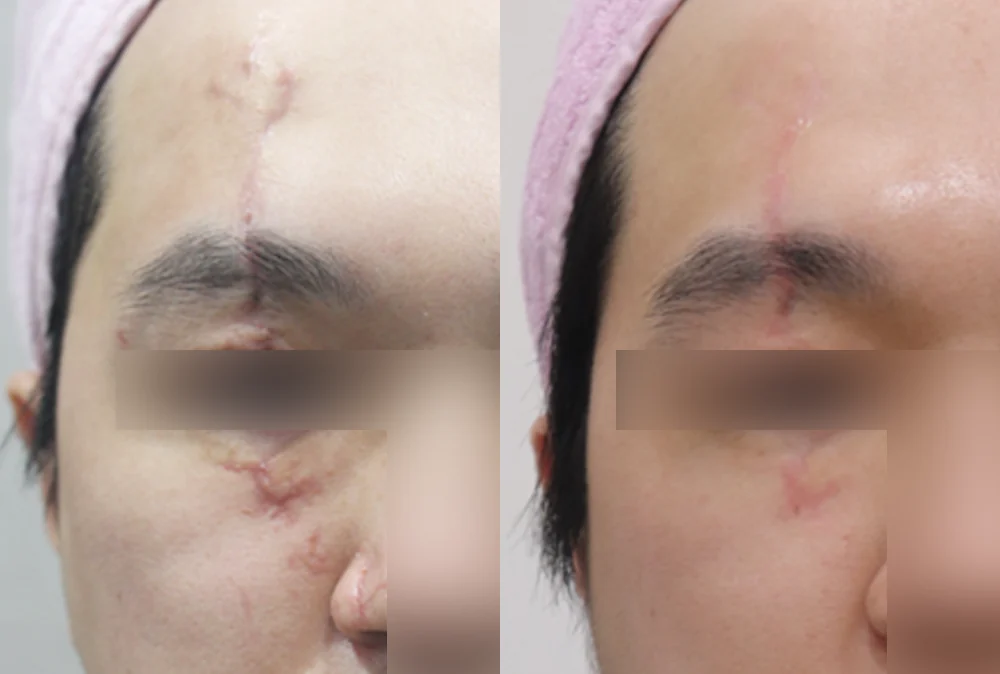
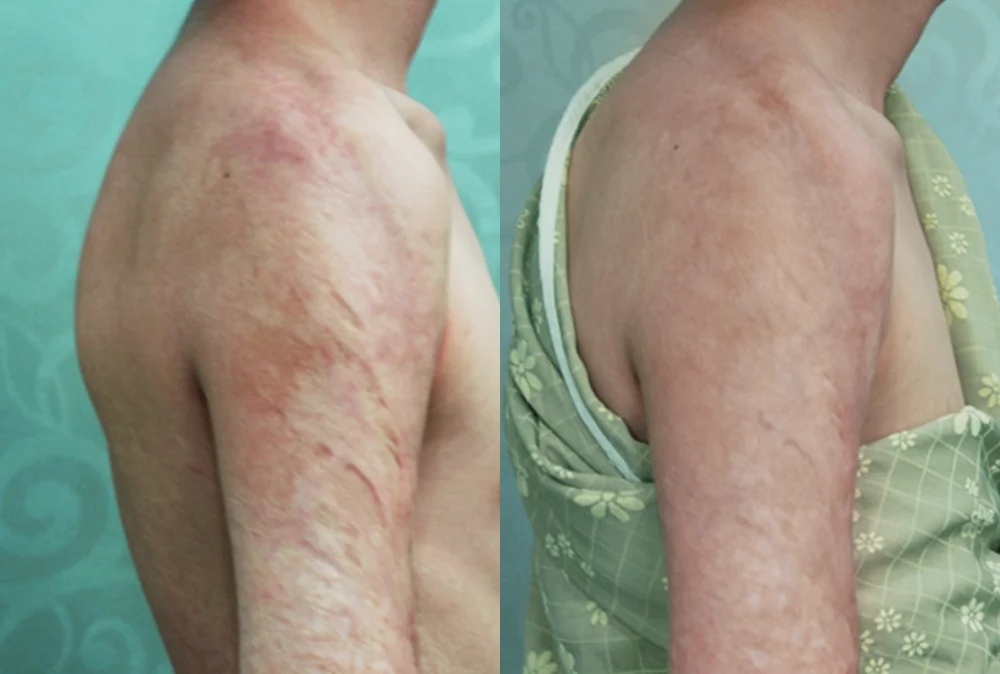
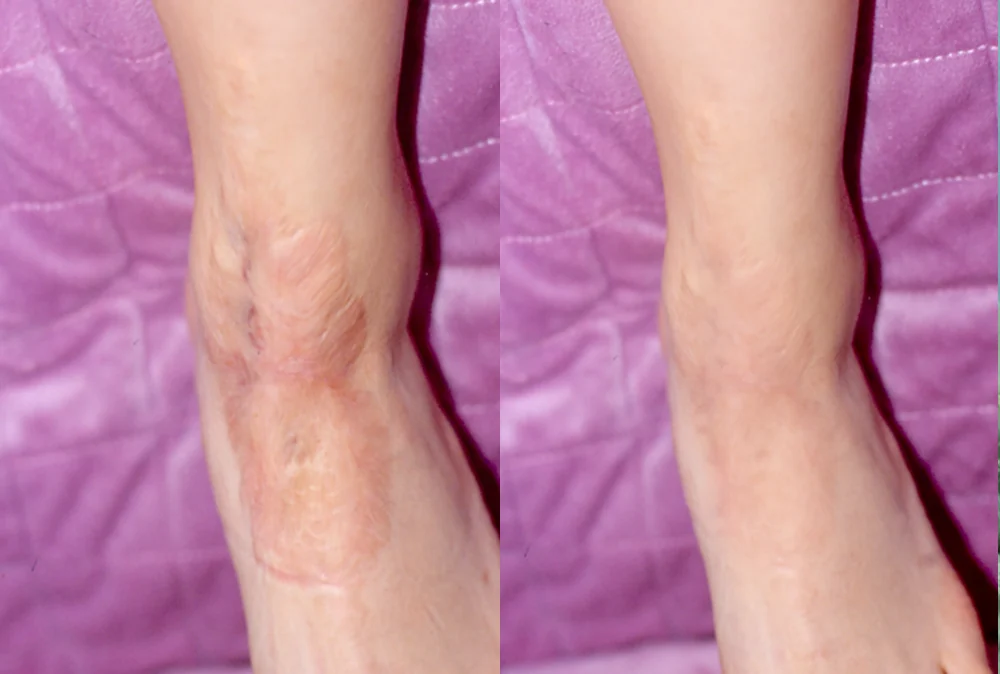
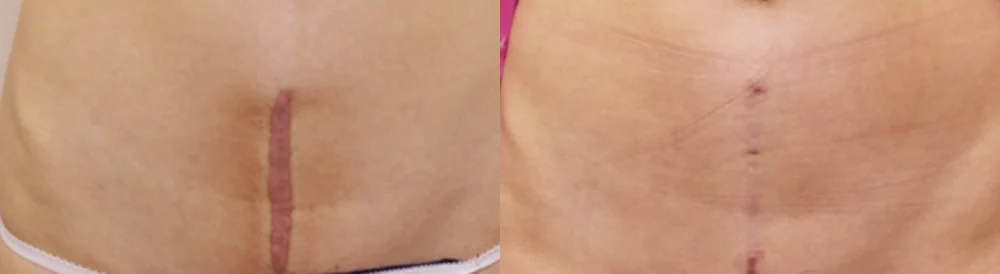
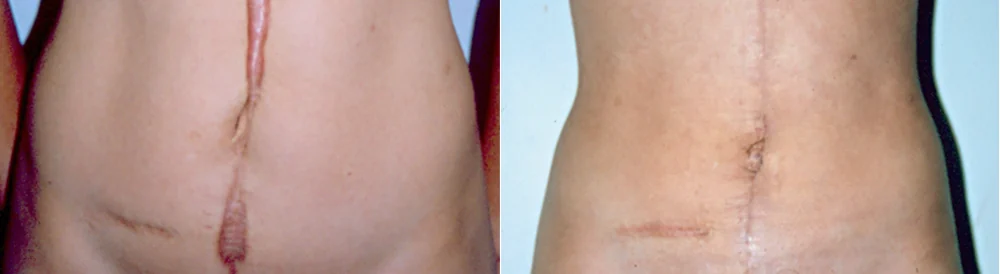
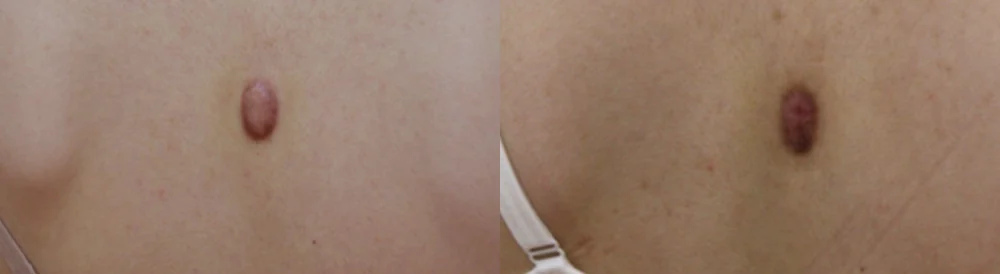
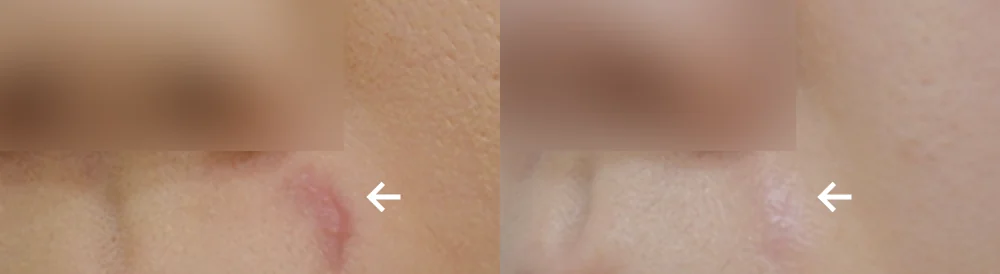
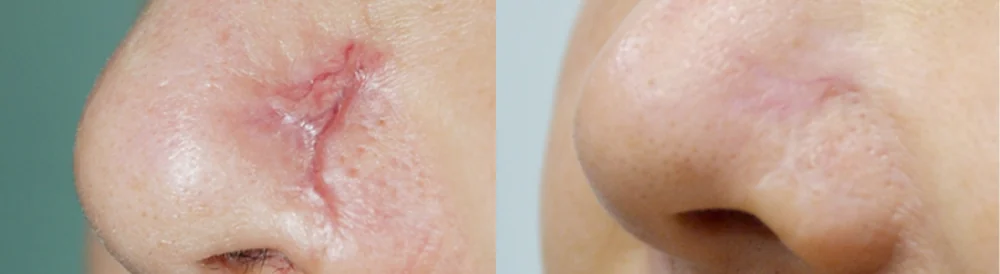
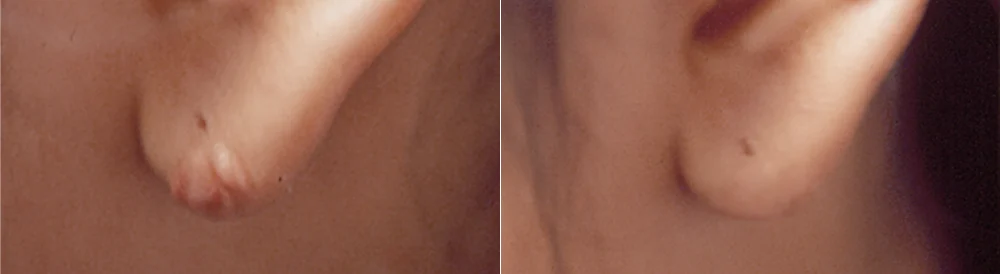
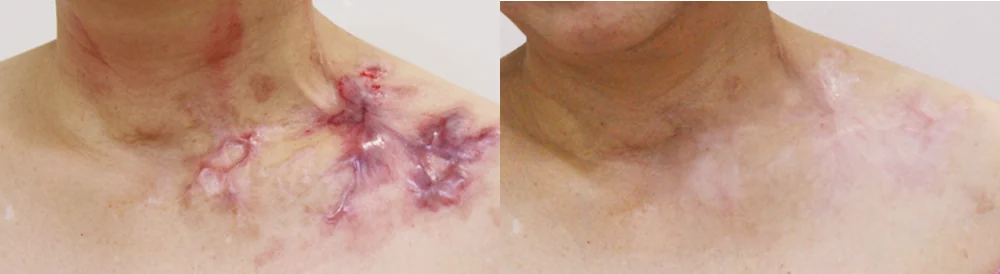
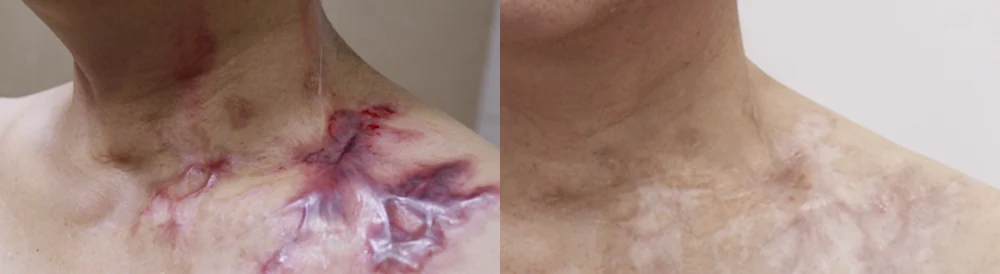
Results first — Before & after cases at Bonita
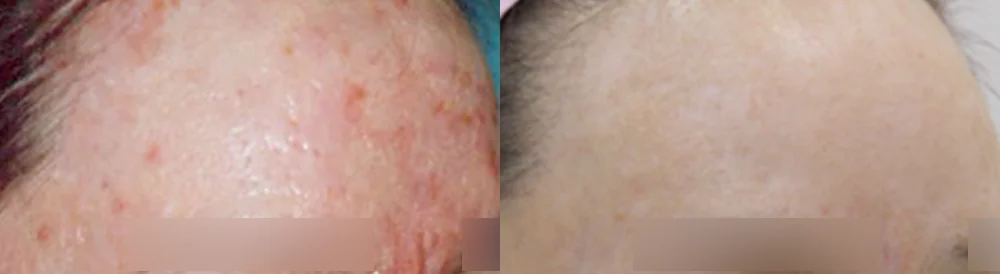
Before treatment6 months laterBefore treatment6 months later
More before & after records continue below
※ Before & after results vary by individual. Side effects may occur, so please decide after a full consultation with your doctor.
For You
Scars we treat
Keloids, hypertrophic scars and burn scars from accidents or procedural complications
Keloids and hypertrophic scars that formed after surgery
Keloids and hypertrophic scars from a caesarean section
Keloids and hypertrophic scars that formed after implant or filler removal
BONITA BURN & KELOID
With keloids, control comes before cutting
About
What is a keloid scar?
A keloid forms when surgery or trauma damages the deep dermis and fibrous tissue within it proliferates abnormally.
Process
Treatment process
STEP 01
Identifying the scar type
We first check whether it is hypertrophic or a keloid, the extent of the burn and how much it pulls.
STEP 02
Injection treatment
Red, firm, raised keloids
Medication is injected into the keloid to settle the firm, raised tissue.
Injections are repeated at intervals to manage recurrence.
STEP 03
Excision · low-tension suturing
Keloids in areas under tension, such as the ears, chest or shoulders
If excision is needed, it is removed using a method that reduces suture tension, and recurrence management continues afterwards.
STEP 04
Adhesion release · Fat stem cells
Tight, hardened burn scars
We release the tight tissue and use stem cells to help thinned, hardened skin tissue regenerate.
STEP 05
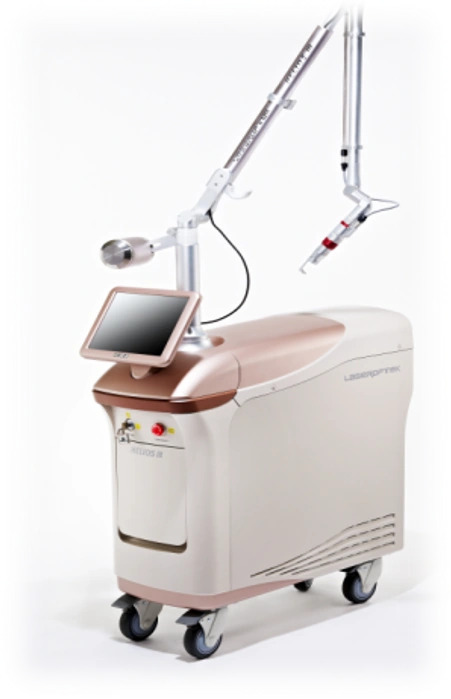
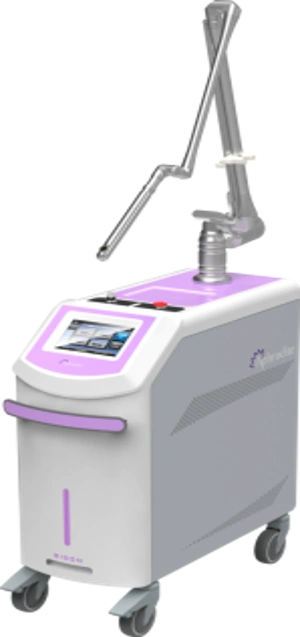
Combined lasers
Scars with lingering redness, pigment or texture
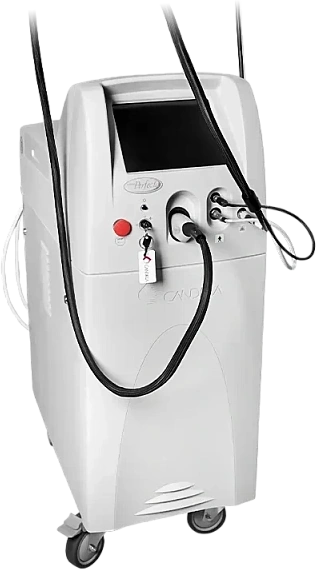
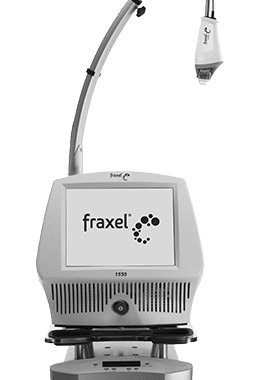
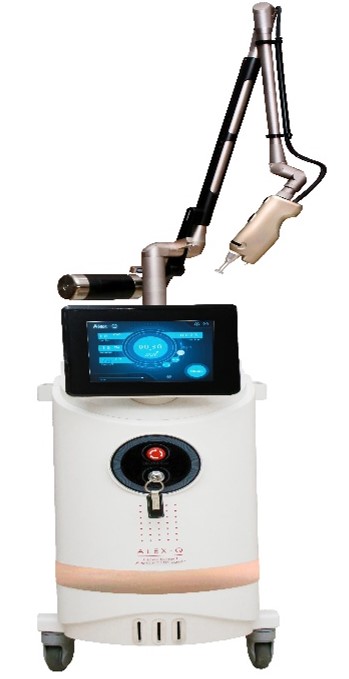
We treat it in stages with 2–3 lasers matched to the type.
STEP 06
Follow-up
Surgical and procedural restoration is usually split into 1–3 sessions.
Laser is used only if marks remain after observing the progress.
At a glance
Treatment details and recovery
TypeTreatment · excision if needed
AnesthesiaLocal
Hospital staySame-day discharge
StitchesIf excised
Recovery
Right after treatment
The wound is cleaned and stitched or dressed. Preventing infection comes first.
During recovery
After the stitches are removed, scar care begins with sun protection and moisturizing.
As it settles
This is when redness and firmness change. Laser or injection treatment is added if needed, and any remaining marks continue with restoration.
Recovery time and follow-up visits vary with the extent of treatment and your individual condition.
FAQ
Frequently Asked Questions
I heard keloids get bigger if you operate on them.
A keloid can grow back if it is only excised. That is why laser and injection treatment are combined and progress is managed. The approach depends on your constitution and the area.
Will the colour of a burn scar come back to normal?
Color differences can be lightened with lasers, but skin borders and texture need separate restoration. We check the extent in consultation.
The scar has already settled. Is it too late?
It is not too late. Settled scars are treated with restoration that releases and fills tissue, and may need more steps than right after the injury.
※ Bleeding, infection, inflammation and other side effects may occur after surgery or treatment. Please decide after a full consultation with your doctor.
Clinic
In the same place in Gangnam since 1995, always by the same hands
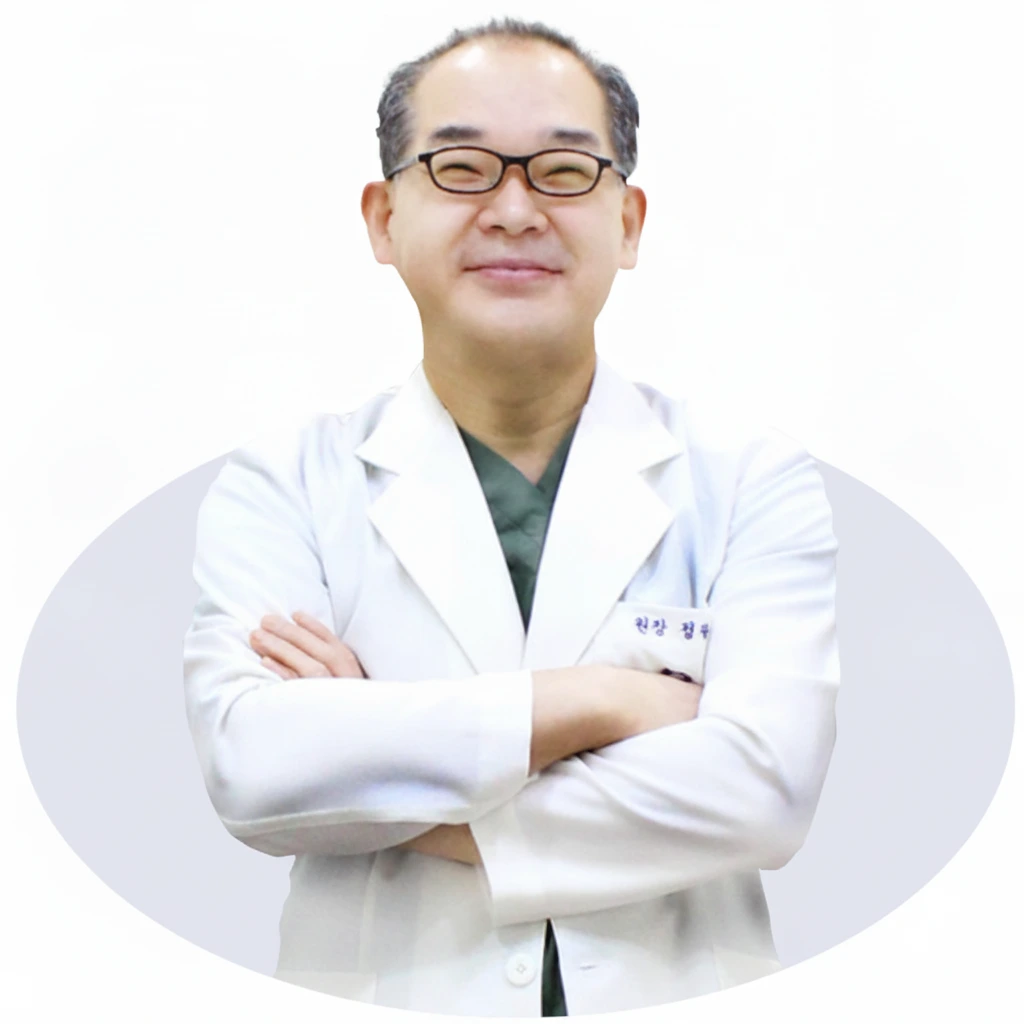
Dr. Kwang-Seop Chung, Director 31 years in plastic surgery and scar restoration
Board-certified plastic surgeon (Brazil)
Top of class, Brazilian plastic surgery board examination
M.D., Pontifical Catholic University of São Paulo, Brazil
Plastic surgery residency, Beneficência Portuguesa Hospital, São Paulo
General & thoracic surgery residency, Mandaqui State Hospital, São Paulo
Internship, University of Tennessee, USA
President, Asian International Aesthetic Medicine Forum
Former President, Korean Academy of Aesthetic Surgery
Member, Brazilian Society of Plastic Surgery
Member, Korean Society of Phlebology
1995Opened · one address in Gangnam1doctor · care by the director31years of scar & revision work
 KOKorean
 ENEnglish
 JP日本語
JP日本語 CN中文(简体)
 TW中文(繁體)