 KOKorean
 ENEnglish
 JP日本語
JP日本語 CN中文(简体)
 TW中文(繁體)

BONITA BREAST
Safe Breast Augmentation
A beautiful shape and a soft feel are a given At Bonita, ‘safety’ comes first, as the foundation of every step

Bonita's Approach
Before shape and feel, safety comes first
Results first — Before & after cases at Bonita
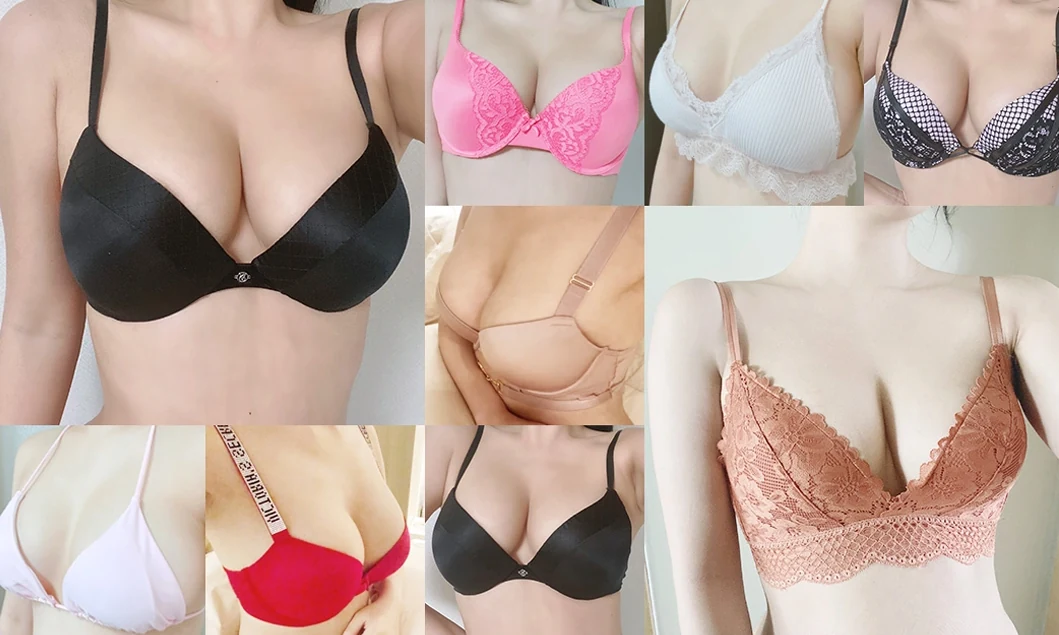
More before & after records continue below
※ Before & after results vary by individual. Side effects may occur, so please decide after a full consultation with your doctor.
BONITA BREAST
Graceful volume within the safe range your body allows
Rather than reaching for a large size, we find a natural size that your chest width and skin elasticity can comfortably carry.
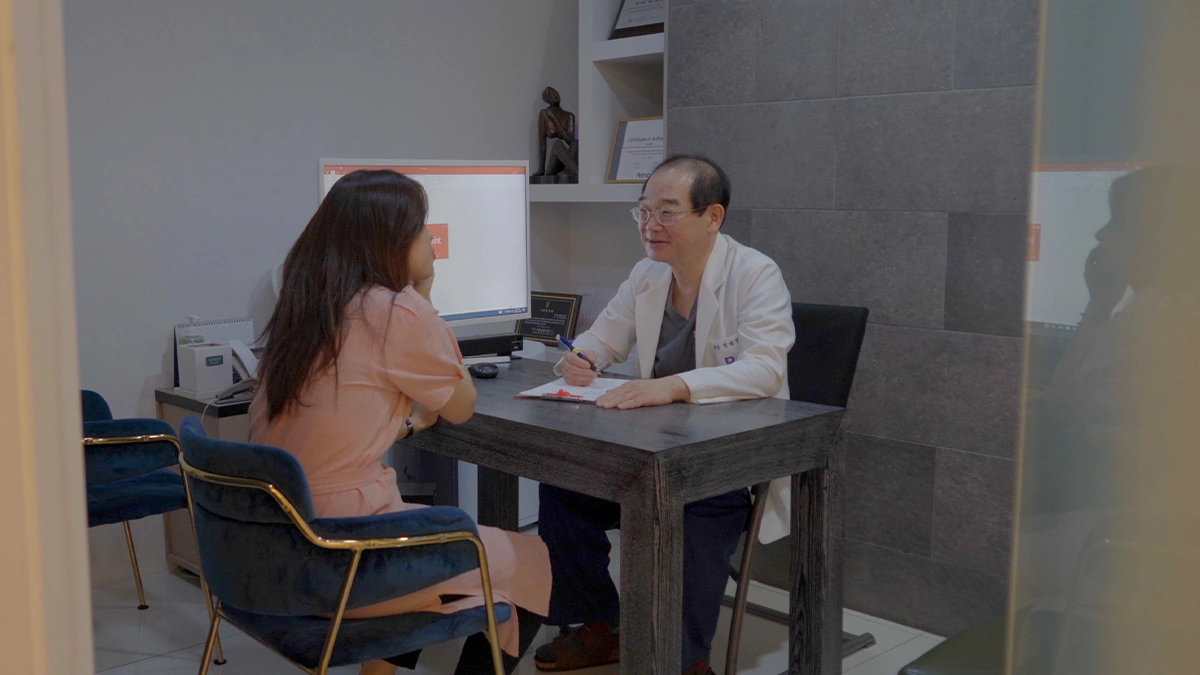
From consultation to surgical planning: endoscopic micro-incision without general anaesthesia
In consultation we review your body shape and the change you want, and decide the implant size and incision site together.
Many people assume breast implant surgery always requires general anaesthesia.
At Bonita, however, dissection is done precisely under endoscopic view, with the internal tissue and blood vessels checked directly, to reduce unnecessary tissue damage and bleeding.
Because incision and dissection are done delicately, surgery is possible without general anaesthesia, and with less pain afterwards, same-day discharge brings your return to daily life forward.
At Bonita, the painful 1–2 months of breast massage to prevent capsular contracture is also not required.
Treatment and recovery at a glance
- TypeEndoscopic micro-incision surgery
- AnesthesiaNo general anesthesia
- Hospital staySame-day discharge
- StitchesYes (timed with your follow-up visits)
Recovery, stage by stage
- Right after treatment
Early swelling and pain are carefully managed, and we guide you on support garments and compression to help the implant settle correctly.
- During recovery
You can ease back in with light daily activities, and stitches are removed as healing progresses.
- As it settles
As the swelling gradually subsides, the implant blends with the surrounding tissue and settles into a soft feel and curve, like your own breast.
Recovery time and follow-up visits vary with the extent of treatment and your individual condition.
Breast implants: lifespan and the 10-year check-up cycle
Even after several years without any discomfort, implants can age over time or the capsule can change shape.
The US Food and Drug Administration (FDA) likewise states that silicone gel (cohesive gel) breast implants are safe medical devices but ‘are not lifetime devices’.
FDA-reported statistics on breast implant revision within 10 years
| Category | Revision rate |
|---|---|
| Cosmetic breast augmentation | 20~40% |
| Breast reconstruction | 40~70% |
Source: US FDA, Update on the Safety of Silicone Gel-Filled Breast Implants (2011). Rates of reoperation (including minor procedures such as biopsy) within the first 8–10 years after surgery in manufacturers' long-term follow-up studies.
A survey by Korea's Ministry of Food and Drug Safety likewise found that about 20% of breast augmentation patients replace their implants within 10 years.
Even without noticeable pain or deformity now, checking the implant with a regular ultrasound examination every 2–3 years and planning replacement at the right time is the way to look after your health and appearance for the long term.
Safe replacement with a new implant
Once the cause, such as capsular contracture, implant rupture or dissatisfaction with shape or size, has been accurately diagnosed, the existing implant is removed, the altered capsule is cleanly dealt with, and a new implant suited to your body is put in its place.
Stem cell autologous fat grafting after implant removal
If you no longer want an implant in your body, the implant and capsule are removed safely and your own purified fat and stem cells are grafted in layers into the space, helping restore natural volume and feel without concern about foreign material.
This method removes the implant and either fills the space with autologous tissue grafting or replaces it with a new implant.
Implants are not permanent. Even without problems, it is best to have regular checks and plan the timing of replacement.
Frequently asked questions (FAQ)
How is the implant size decided?
When can revision surgery be done?
Where will the scar be?
※ Bleeding, infection, inflammation and other side effects may occur after surgery or treatment. Please decide after a full consultation with your doctor.
In the same place in Gangnam since 1995, always by the same hands
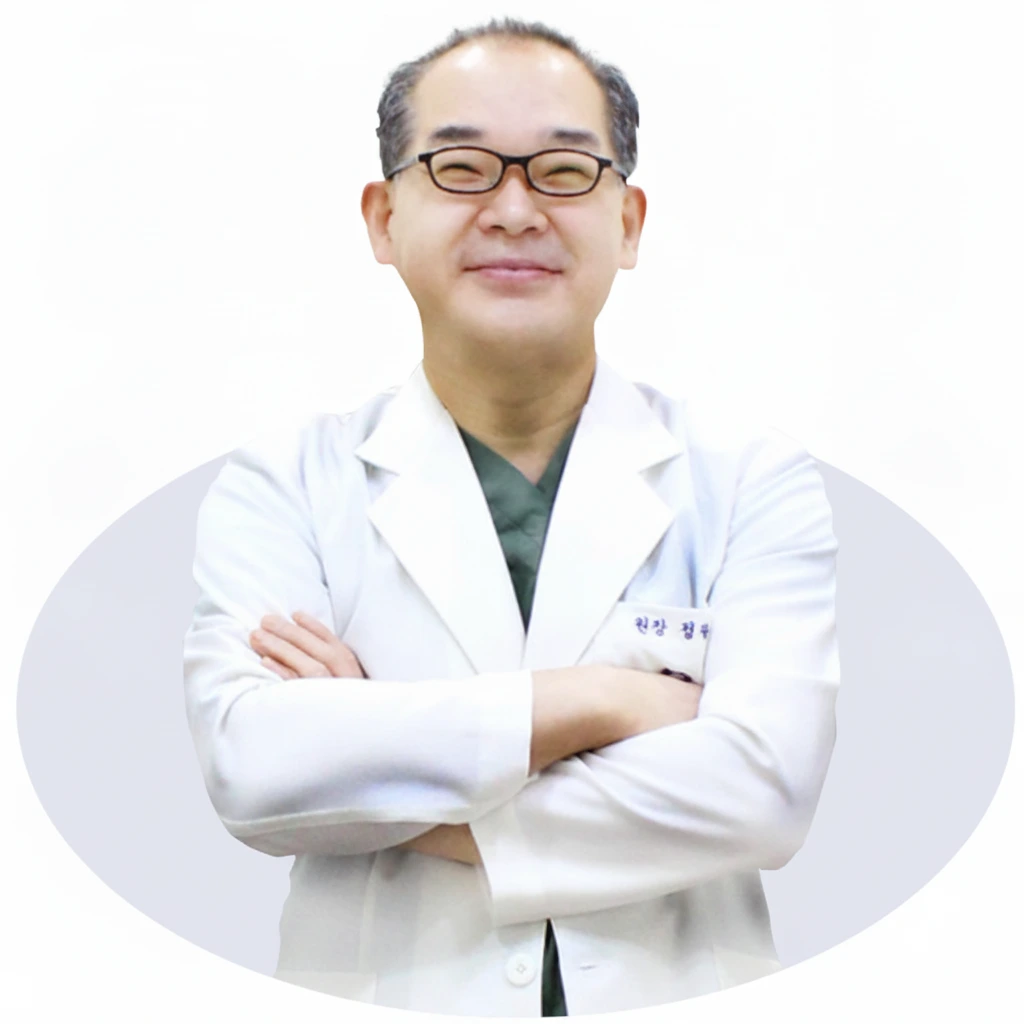
Dr. Kwang-Seop Chung, Director 31 years in plastic surgery and scar restoration
- Board-certified plastic surgeon (Brazil)
- Top of class, Brazilian plastic surgery board examination
- M.D., Pontifical Catholic University of São Paulo, Brazil
- Plastic surgery residency, Beneficência Portuguesa Hospital, São Paulo
- General & thoracic surgery residency, Mandaqui State Hospital, São Paulo
- Internship, University of Tennessee, USA
- President, Asian International Aesthetic Medicine Forum
- Former President, Korean Academy of Aesthetic Surgery
- Member, Brazilian Society of Plastic Surgery
- Member, Korean Society of Phlebology
Before & After — 31 years of records
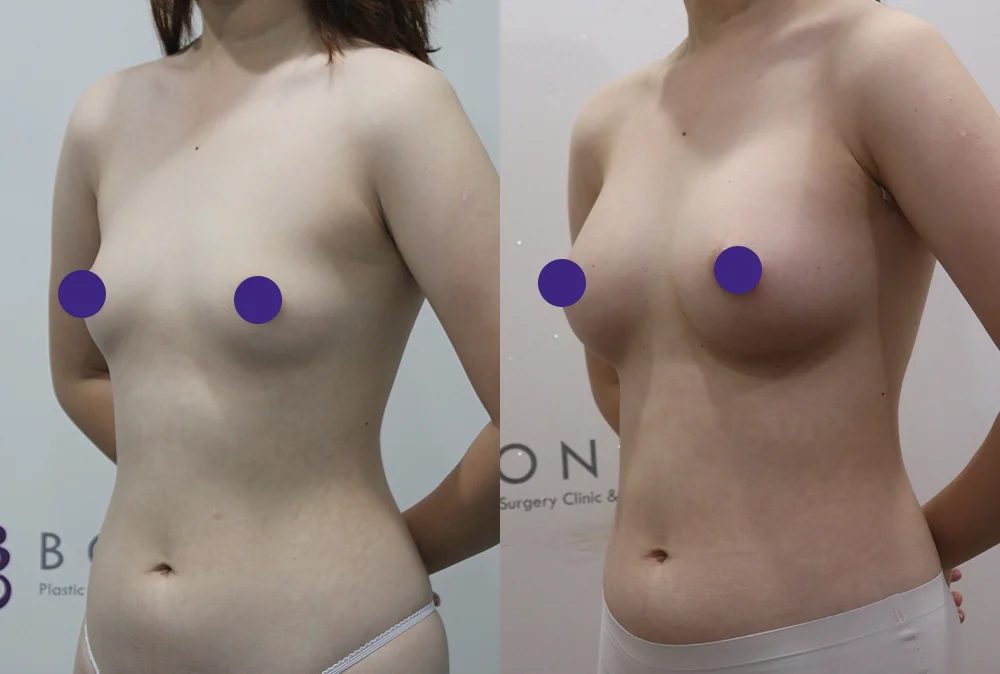
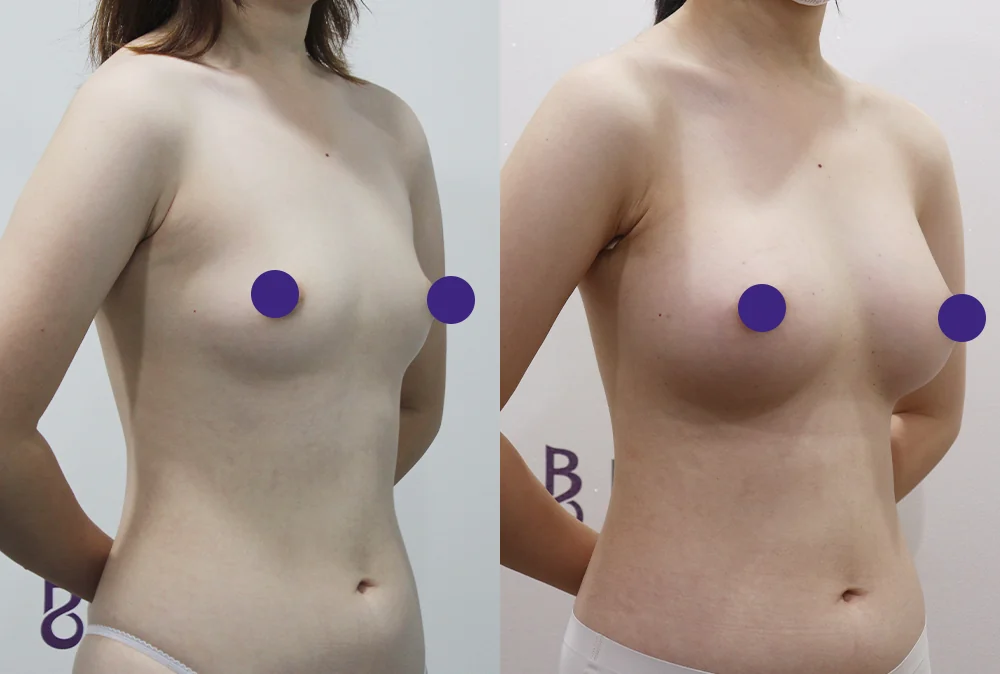
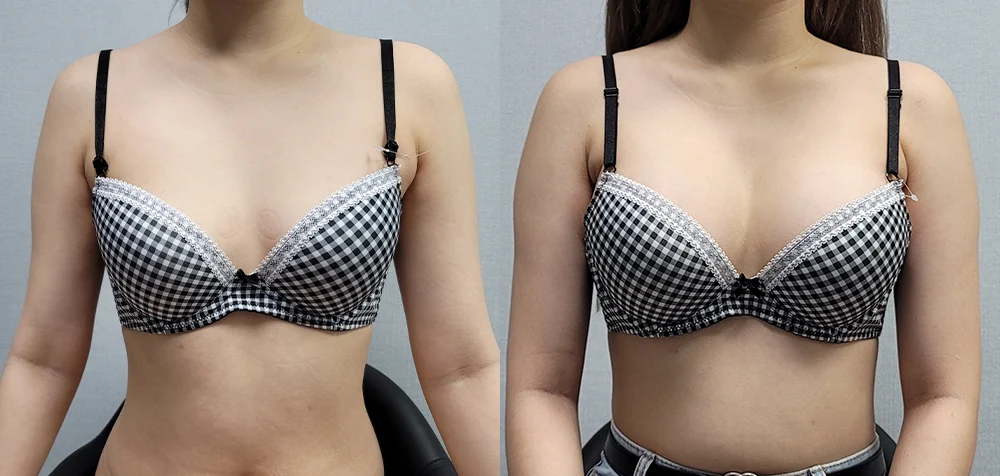
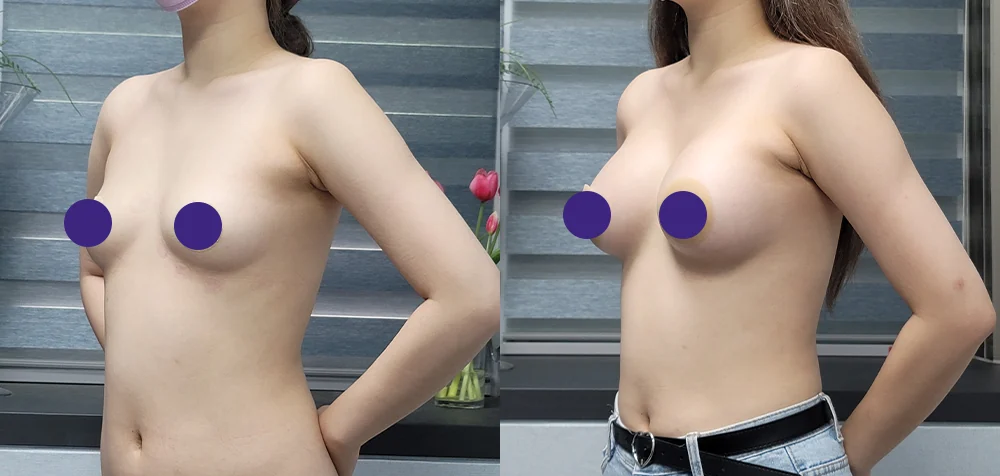
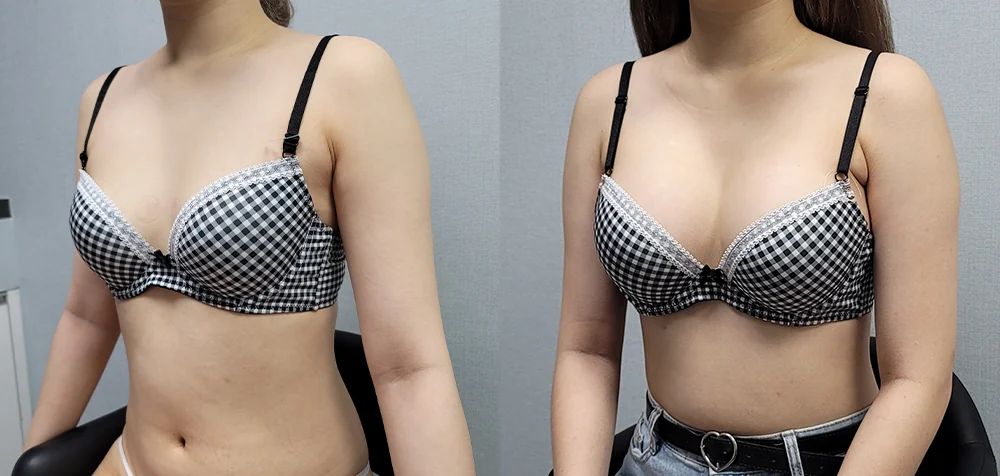
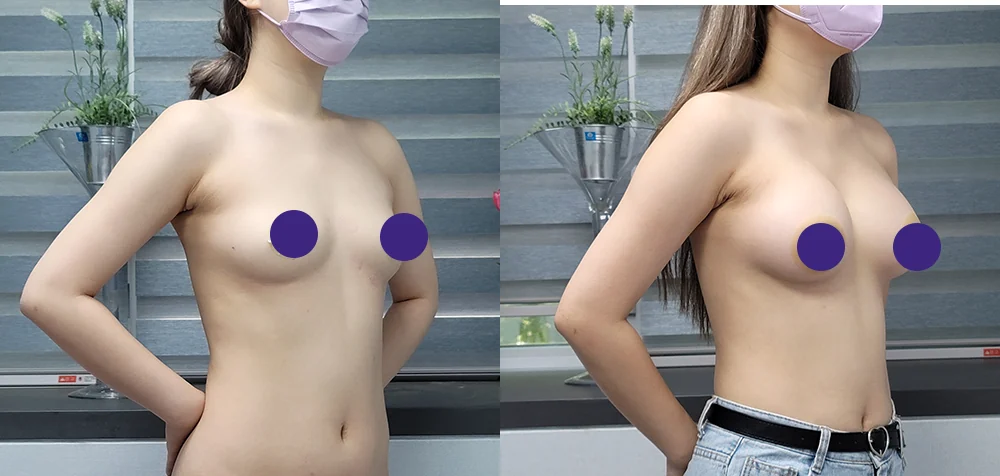
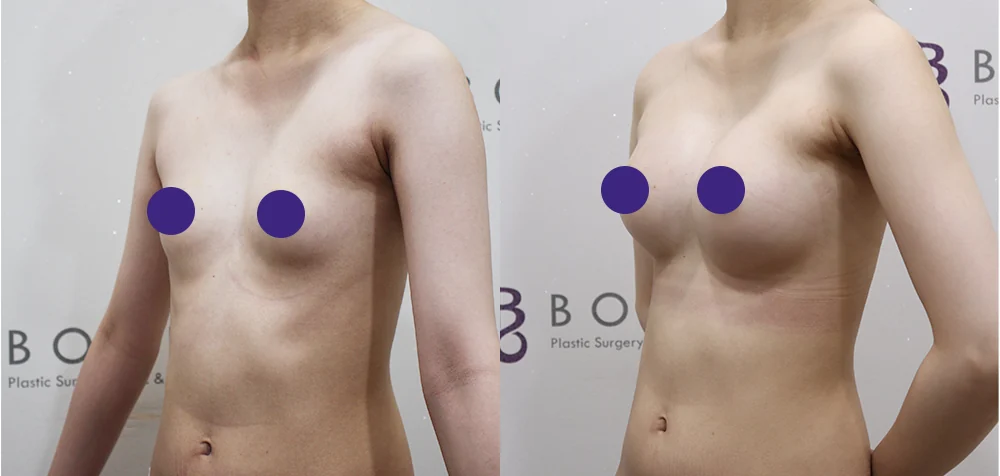
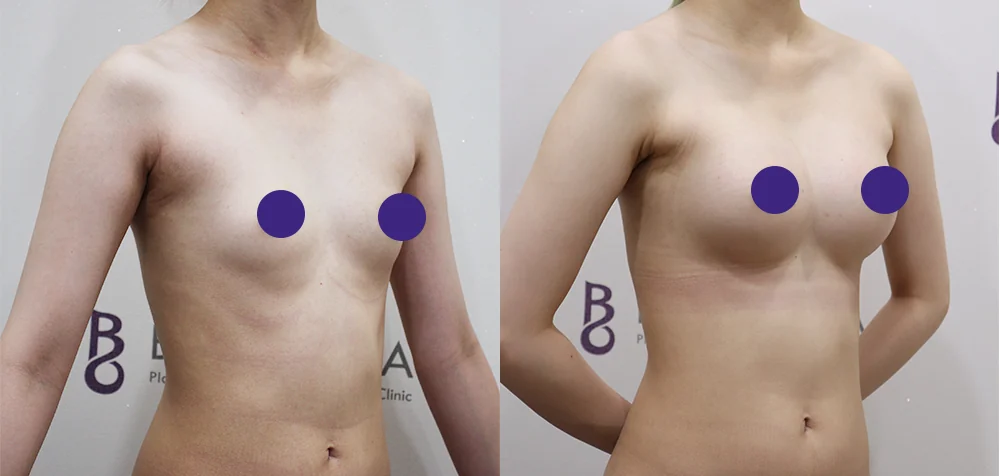
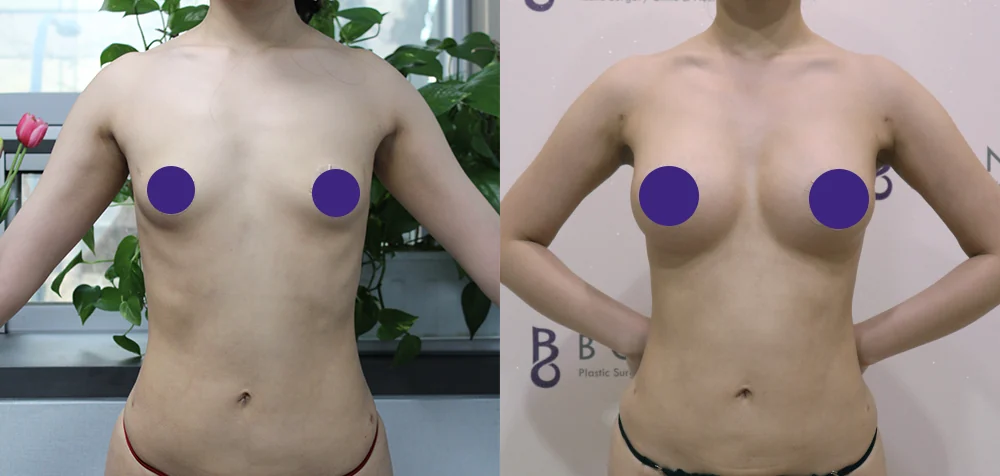
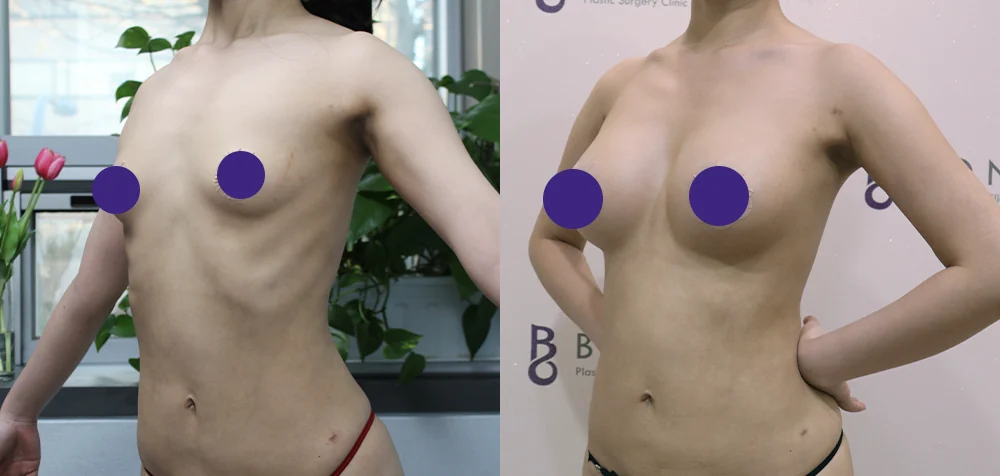
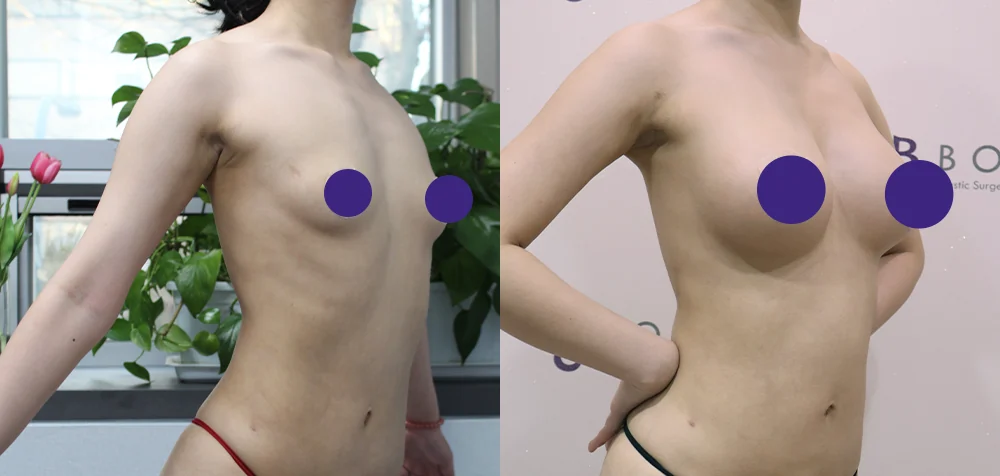
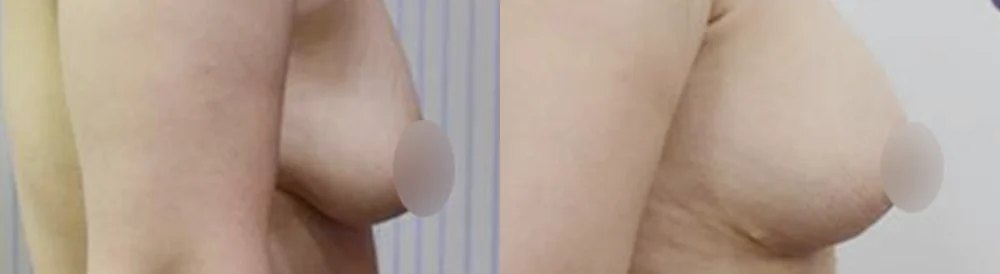
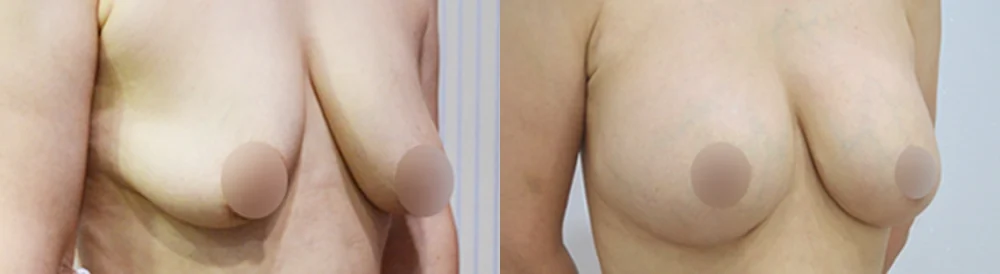
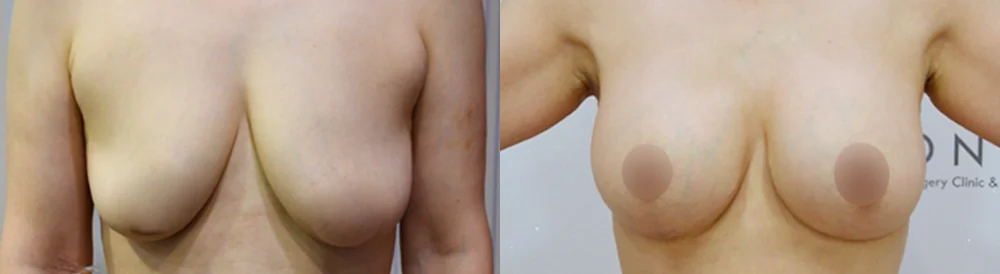
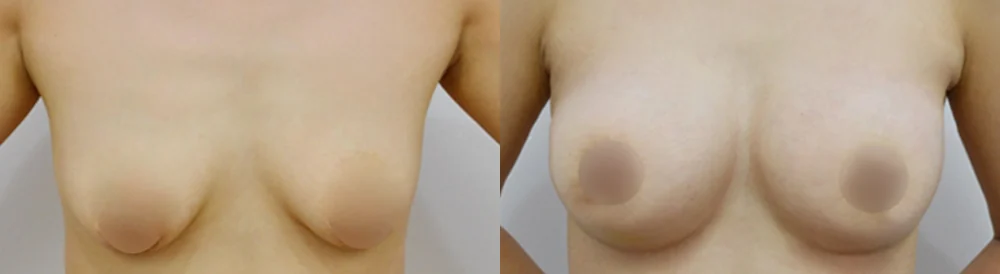
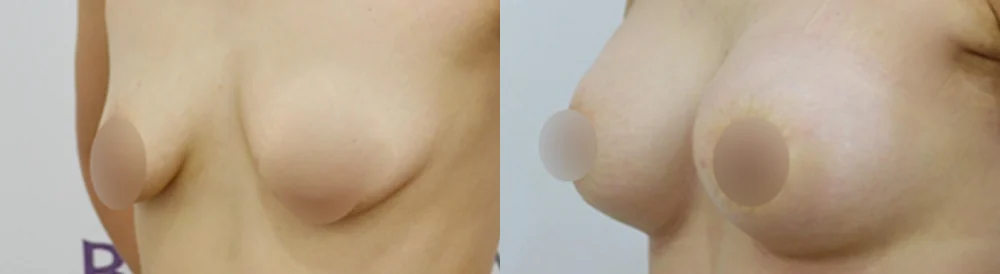
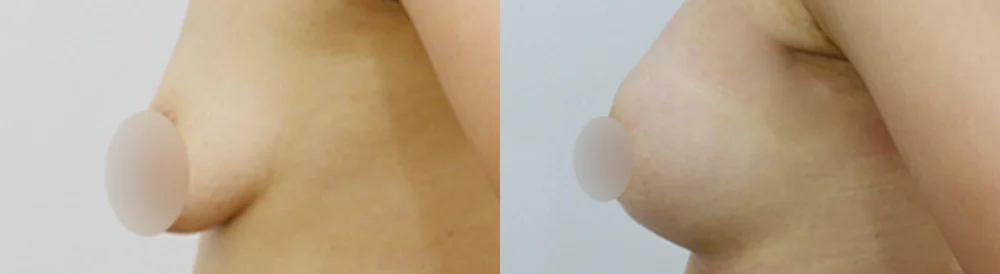
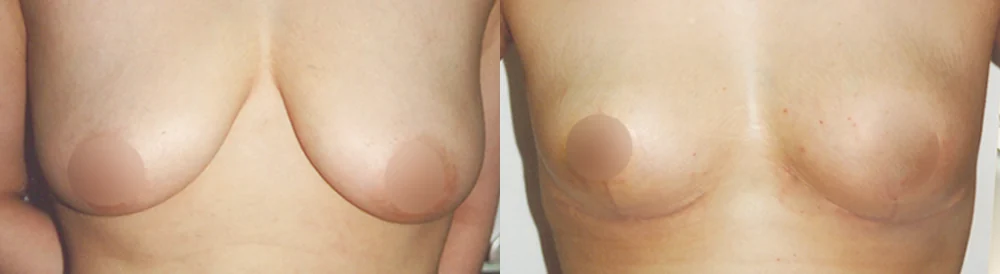
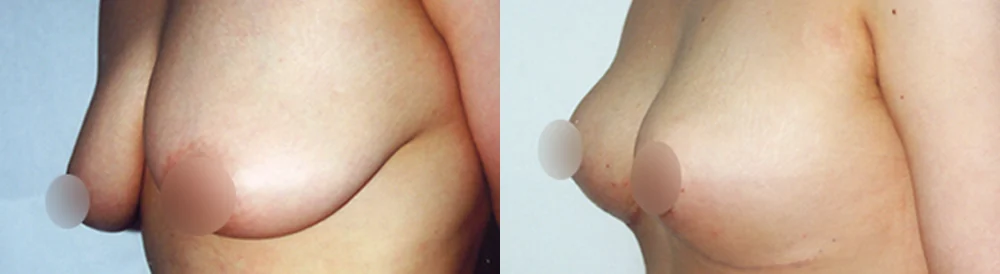
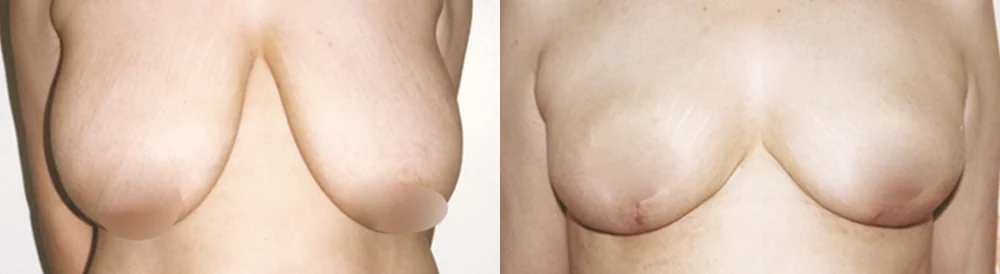
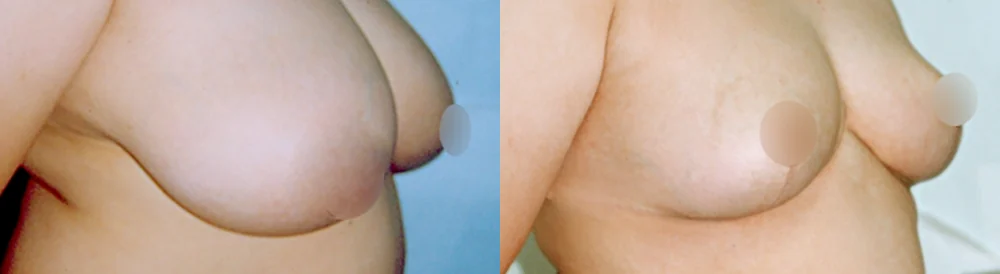
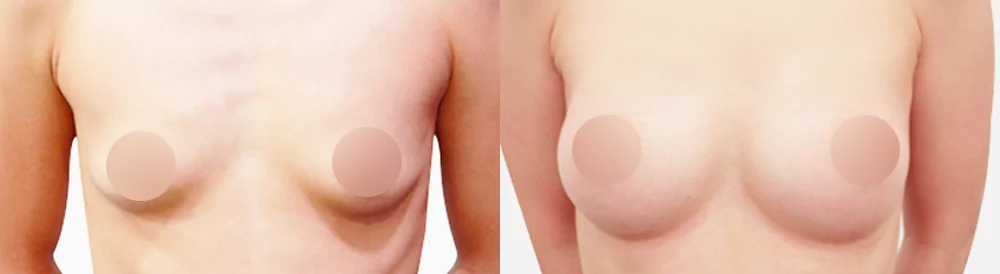
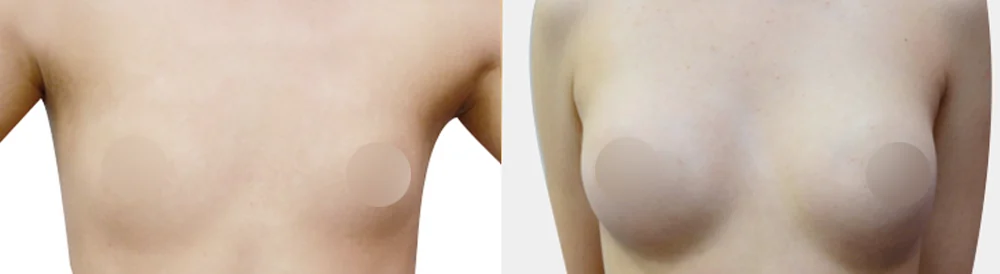
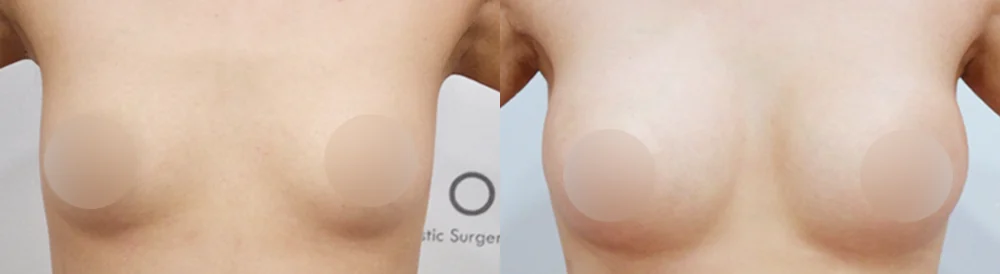
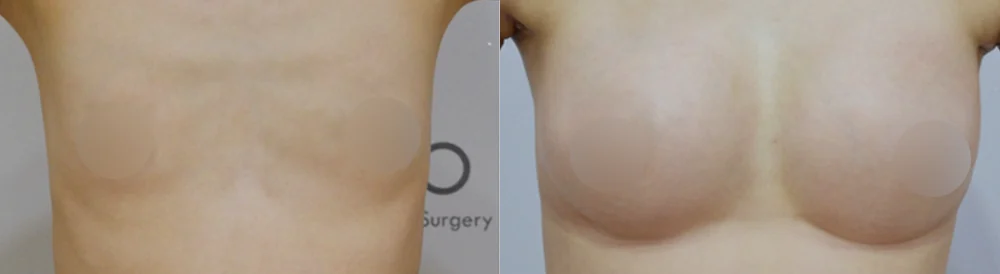
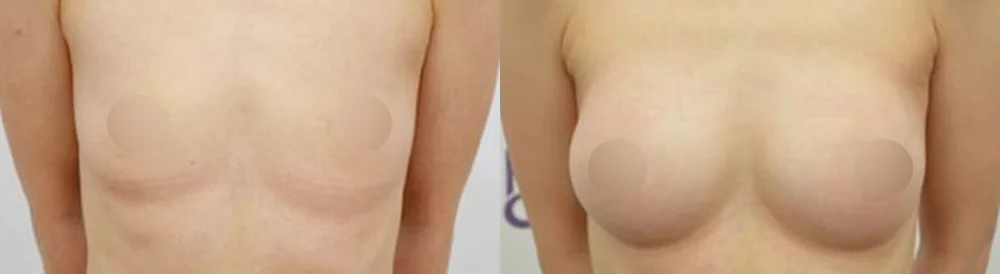
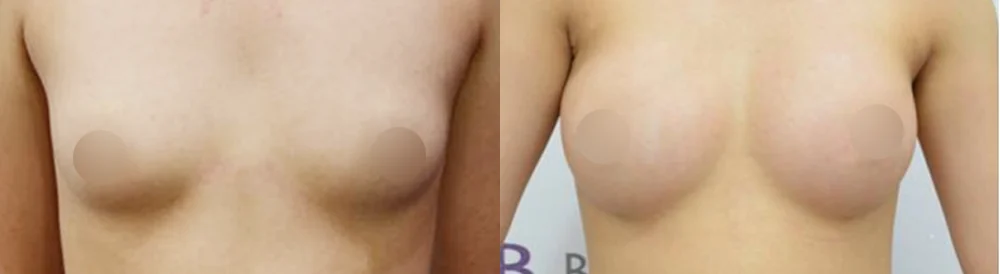
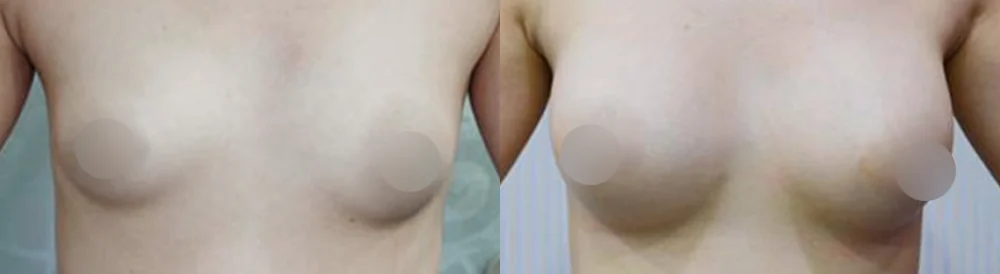
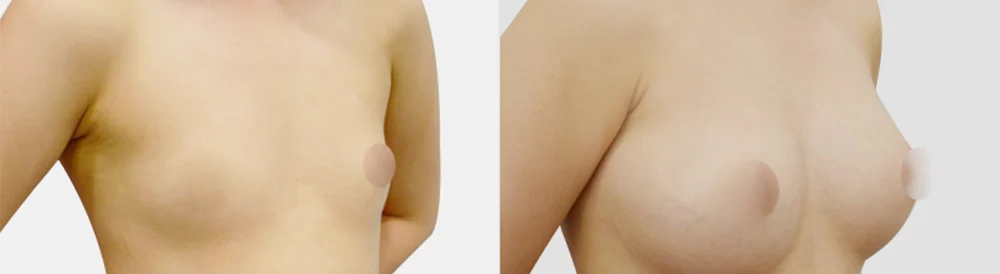
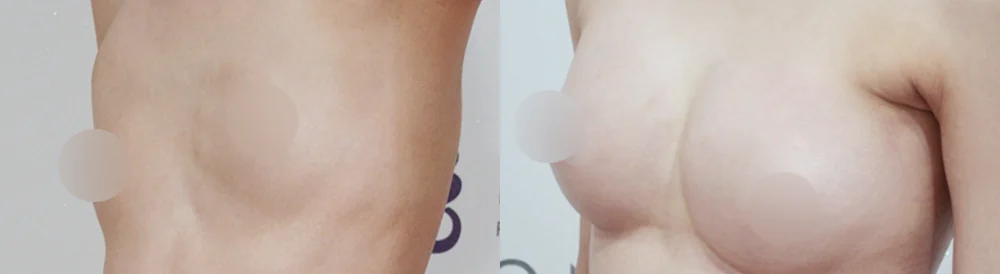
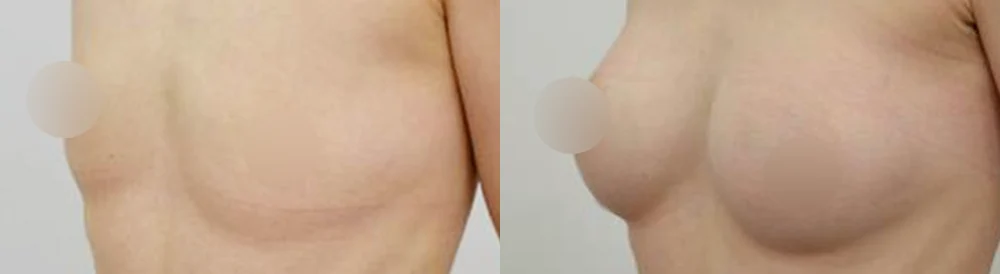
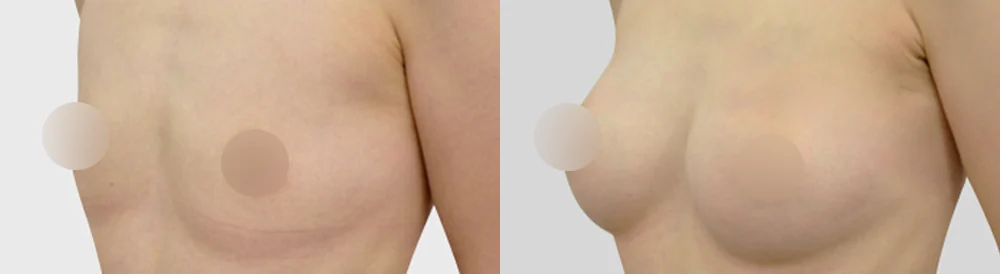
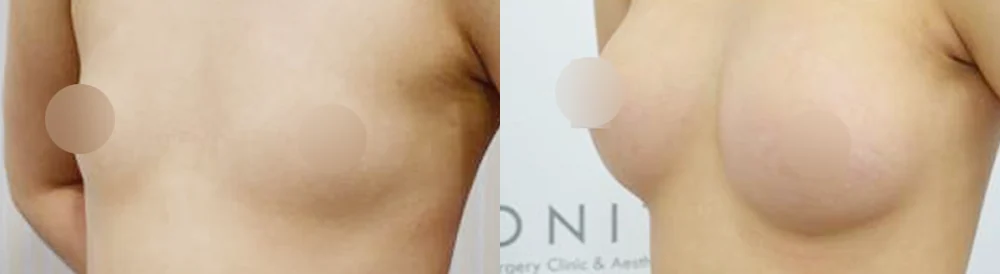
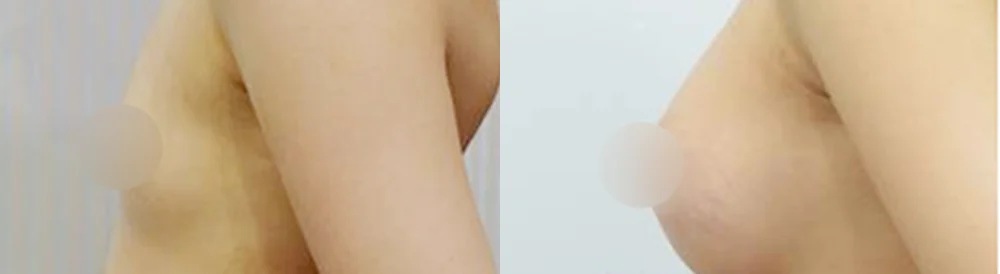
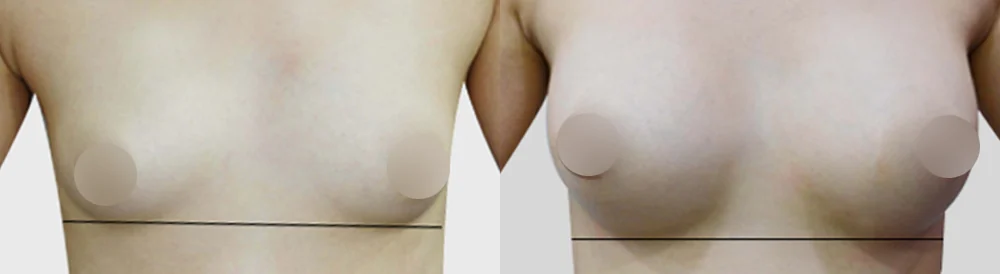
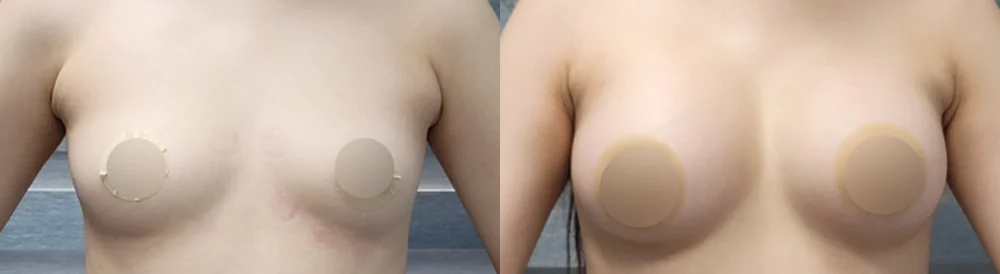
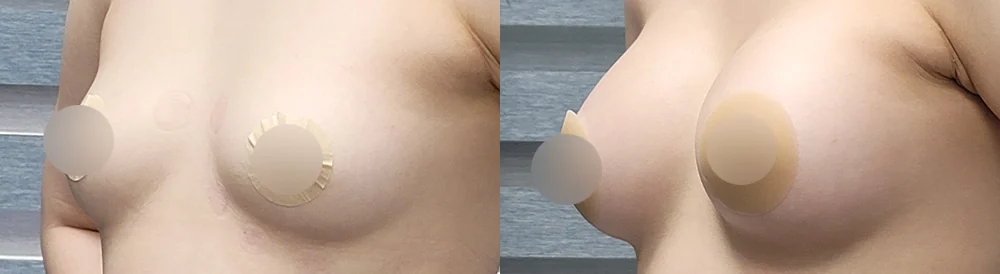
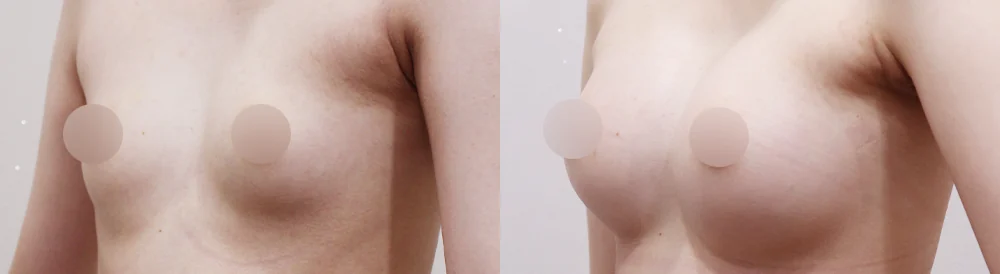
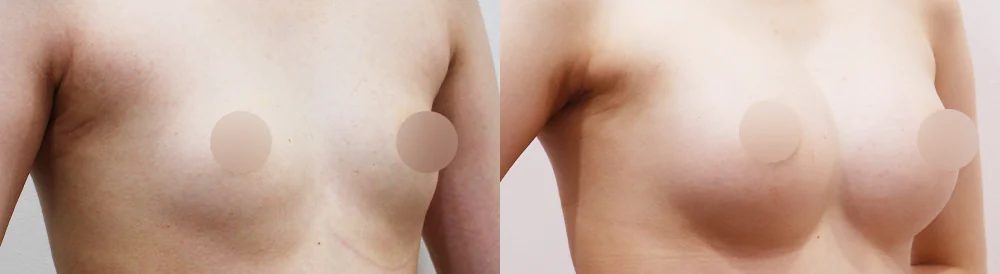
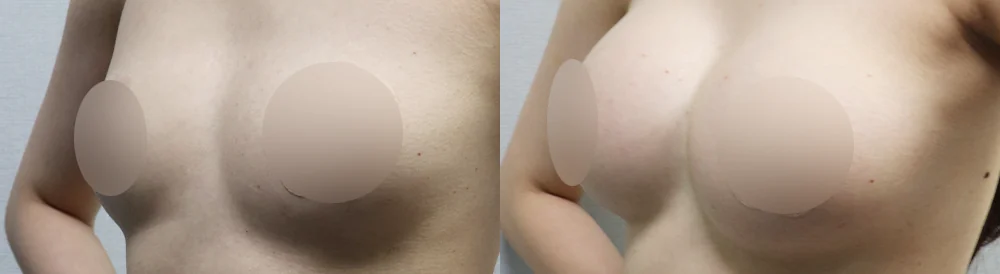
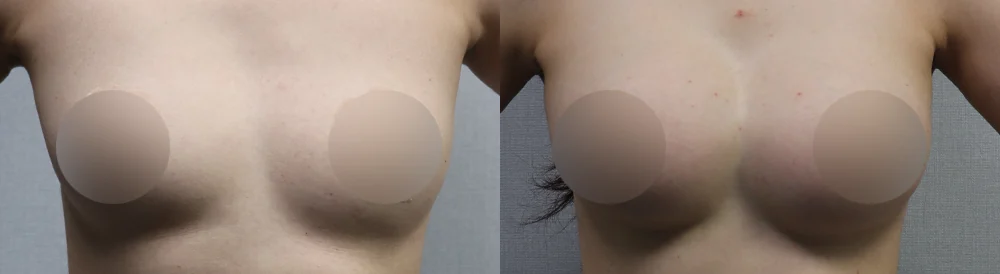
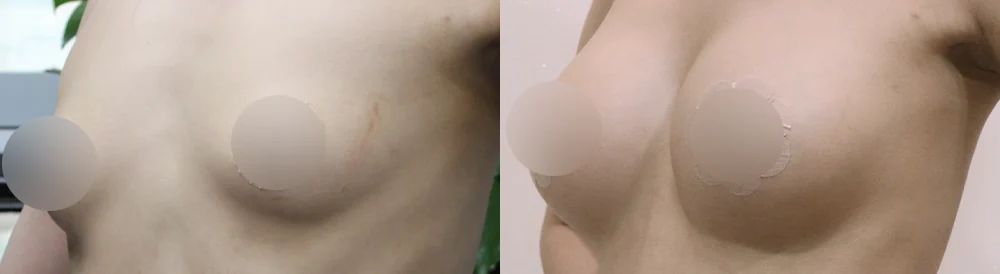
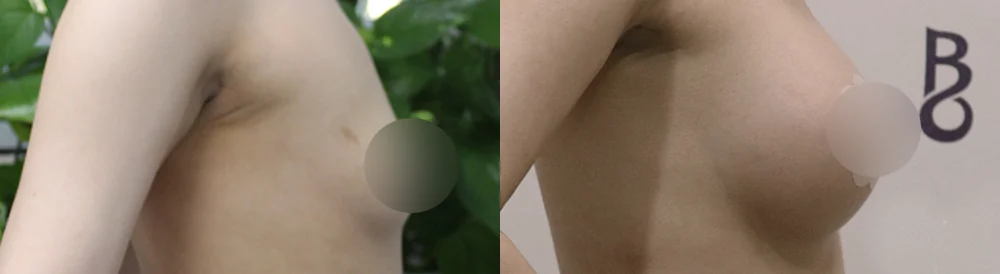
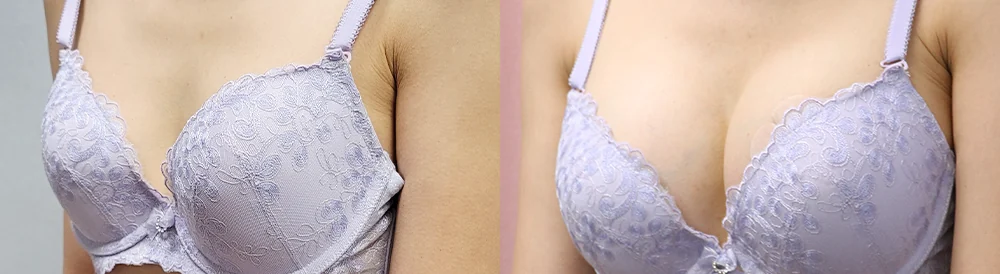
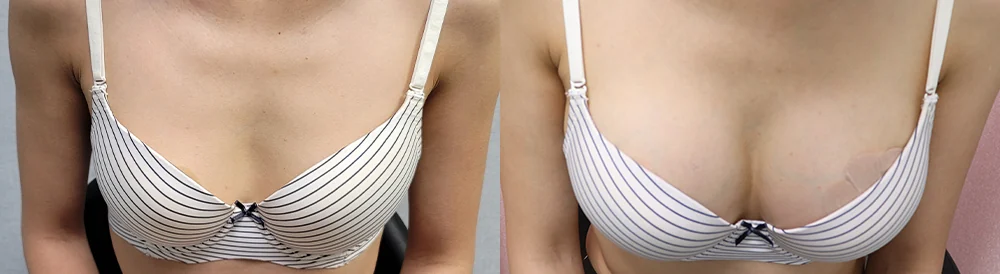
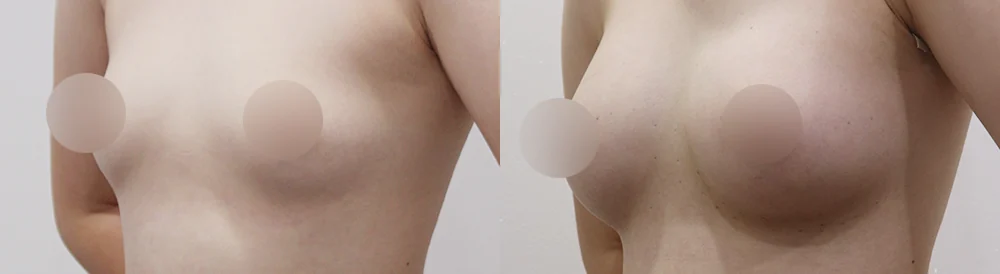
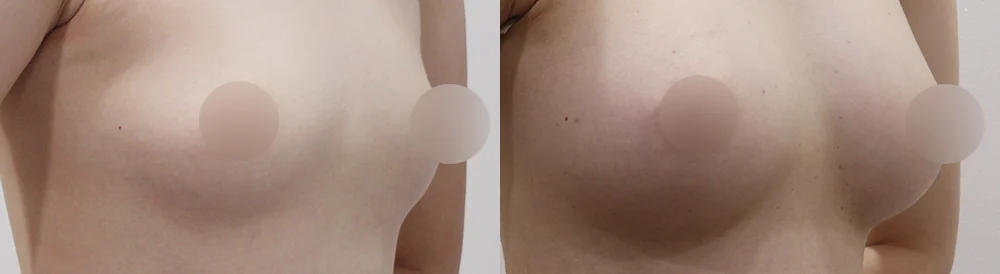
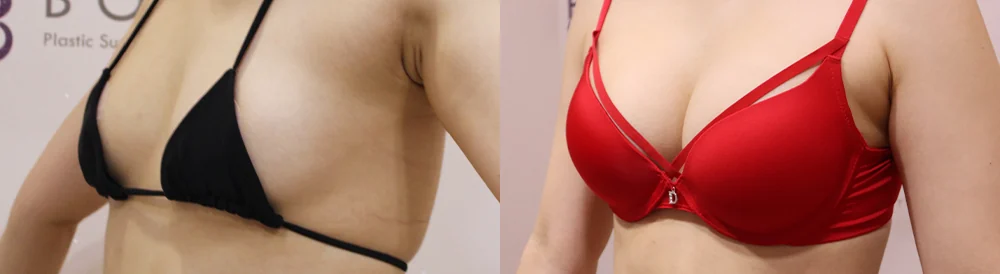
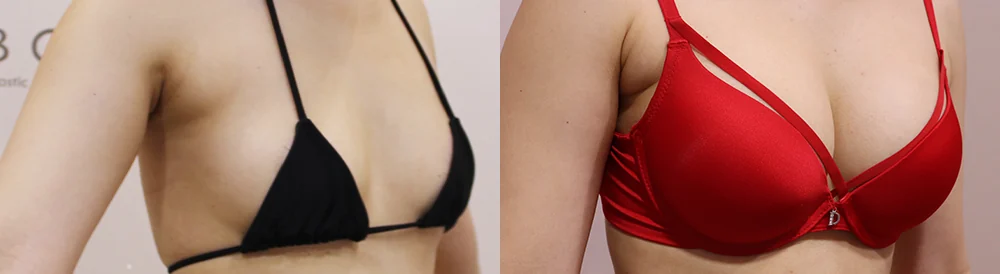
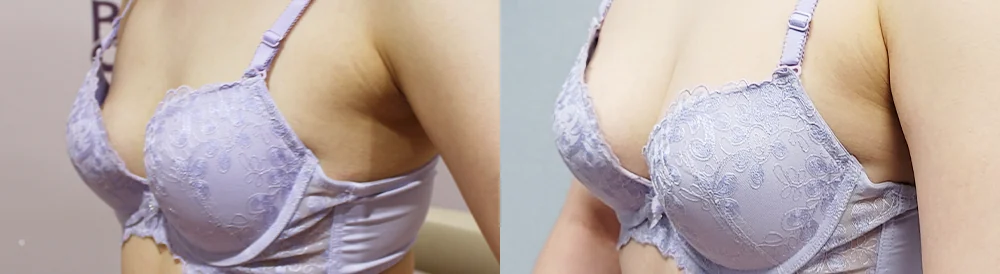
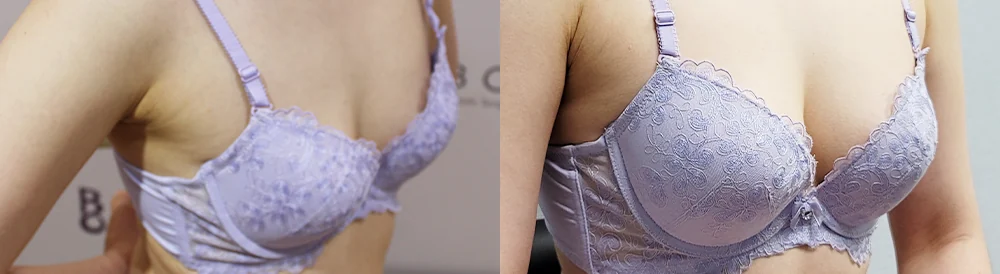
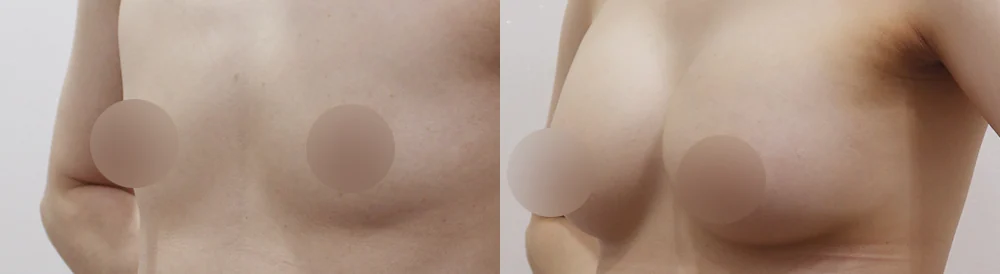
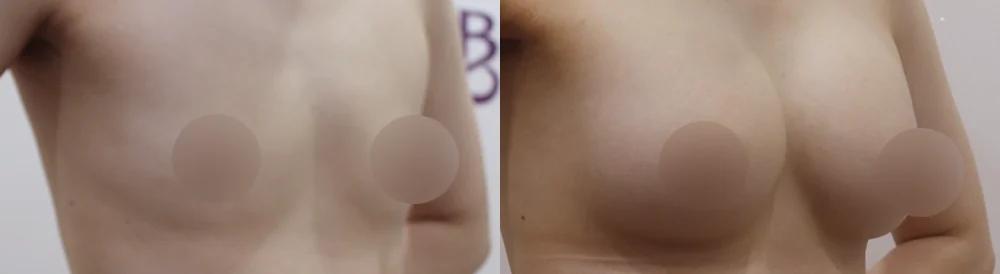
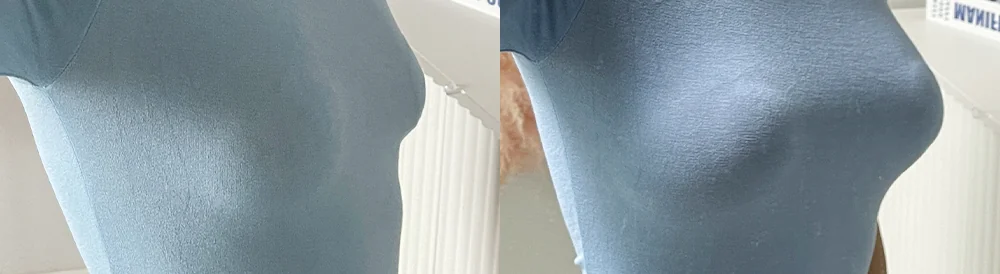
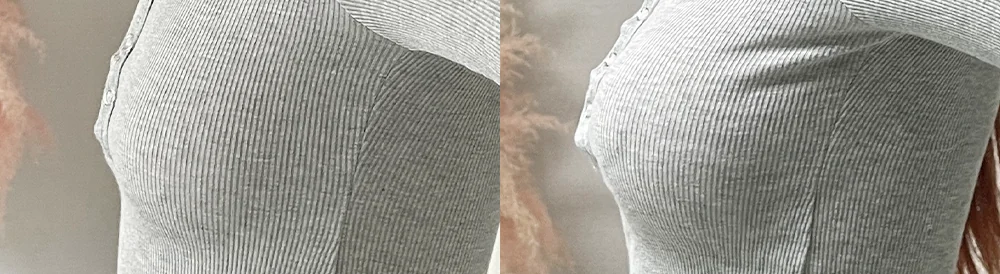
※ Before & after results vary by individual. Side effects may occur, so please decide after a full consultation with your doctor.
Before & after videos · Bonita TV
Real treatment videos. Tap to play.
Real before & after surgery videos (Bonita Clinic channel)
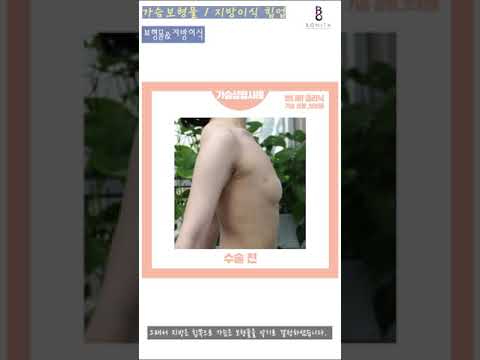
#shorts Implant breast surgery before & after, a real review

Natural breast augmentation, 250cc case (Bonita Clinic, Nonhyeon Station)

From A cup to C cup: a review of breast volume-up and hip-up together
Explained by the director himself (Bonita TV · Dr. Kwang-Seop Chung)

Sagging breast surgery, patient in her 50s
※ Results vary by individual. Videos play on YouTube.
More breast surgery
Consultation & booking
You can contact us via KakaoTalk, Naver booking or phone. Inquiries left after hours are answered in order on the next clinic day.
Clinic Hours
| Weekdays | 09:00 – 18:00 |
| Tuesday | 10:00 – 18:00 |
| Saturday | 09:00 – 15:00 |
| Sunday & Holidays | Closed |
Bonita Clinic, 3F, 565 Gangnam-daero, Seocho-gu, Seoul · +82-2-3444-1535
Korea time (UTC+9) · Bookings are confirmed once the clinic has checked them
- TALKKakaoTalk · KoreanChat on KakaoTalk →
KakaoTalk Consultation
You can easily send us a question with photos. We reply in order during clinic hours.
- NNaver · KoreanBook on Naver →
Naver Booking
Choose a date and time on Naver Place to request a booking. Please check the Naver Booking notification to see whether it is confirmed.
- Tel · Korean02-3444-1535 →
Phone Consultation
Calls are answered during clinic hours. During surgery, we will call you back in order.
- Consultation languagesDirections →
The consultation channels above are run in Korean
Clinic Hours are in Korea time (UTC+9). For same-day consultations or visits, please call ahead to confirm.
